
Human genetics plays a crucial role in understanding the biological makeup of individuals. Genetics is the study of genes, DNA, and chromosomes, which together form the blueprint for human development and function. Each person’s unique genetic information influences everything from physical traits to susceptibility to diseases.
In the intricate world of genetics, DNA carries the instructions for life, organized into structures called chromosomes. Humans possess 23 pairs of chromosomes, which house thousands of genes that determine distinct characteristics and traits. By studying these components, scientists can unlock insights into how genetics impact health, behavior, and evolution.
The exploration of human genetics not only aids in the diagnosis of genetic disorders but also fosters advancements in personalized medicine. As research progresses, the significance of genetic information becomes increasingly vital in improving healthcare outcomes and understanding human diversity.
Fundamentals of Human Genetics
Human genetics is a foundational aspect of biology that explores heredity, genetic material, and the variations that arise within and between individuals. Understanding these concepts helps illuminate how traits are passed through generations and the mechanisms behind genetic diversity.
DNA and Genes
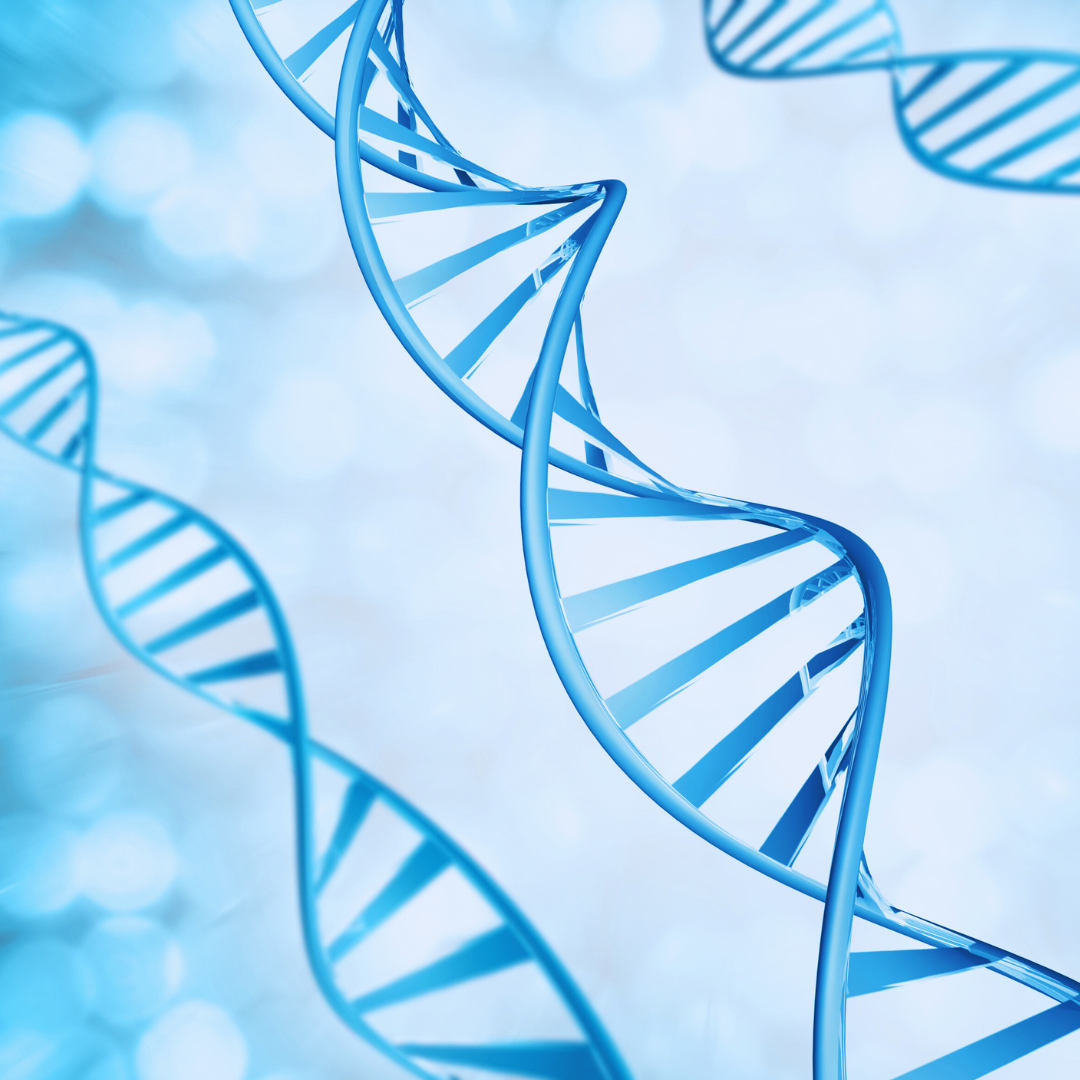
DNA (deoxyribonucleic acid) is the molecular blueprint for life, housed within the nucleus of cells. It consists of sequences of nucleotides, forming a double helix structure. Each segment of DNA that codes for a specific trait is known as a gene.
Genes are responsible for producing proteins that execute various functions in the body. The human genome contains approximately 20,000 to 25,000 genes. Genetic engineering can manipulate these genes, allowing scientists to explore gene functions and develop treatments for genetic disorders.
Chromosomes and Inheritance
Humans possess 23 pairs of chromosomes, totaling 46. Among these, 22 pairs are autosomes, while the last pair consists of sex chromosomes, determining an individual’s sex. Females have two X chromosomes, whereas males have one X and one Y chromosome.
Chromosomes contain tightly packed DNA, making it essential for accurate inheritance. During reproduction, genetic material from both parents combines, leading to genetic variation among offspring. This variation contributes to evolutionary processes, including human evolution.
Genetic Variants and Mutations
Genetic variants are differences in genes that may lead to varying traits, such as eye color or height. These variants arise from mutations, which are permanent changes in the DNA sequence. Mutations can occur in several ways, such as substitutions, deletions, or insertions of nucleotides.
Some mutations are benign, while others can cause genetic disorders. For example, cystic fibrosis is caused by a deletion mutation in the CFTR gene. Understanding these genetic variants aids in researching human biology and developing medical interventions.
Application of Genetic Science
Genetic science plays a crucial role in advancements related to health and disease management. Understanding genetic information not only aids in diagnosing conditions but also opens avenues for innovative therapies and personalized medicine.
The Human Genome Project and Genomics
The Human Genome Project (HGP) was a collaborative effort aimed at mapping all the genes in the human genome. Completed in 2003, it provided a reference for understanding genetic variations and their implications for health.
Genomics, which emerged from the HGP, studies the functions and interactions of genes on a global scale. This field has led to significant breakthroughs in identifying genetic disorders and their causes.
For instance, genomic technologies such as Illumina sequencing allow for rapid genome sequencing, making it simpler to detect mutations linked to diseases like cancer. Such insights enable geneticists to tailor treatment strategies more effectively.
Genetic Testing and Therapy
Genetic testing assesses an individual’s DNA to identify mutations that may indicate a genetic disorder. Testing can help diagnose conditions ranging from single-gene disorders to more complex syndromes.
The emergence of gene therapy marks a significant step in treating genetic disorders. This approach involves modifying genes to treat or prevent diseases. For example, gene therapy can potentially correct defective genes responsible for conditions like cystic fibrosis.
In recent years, advancements in testing methods have also improved, making it easier for healthcare providers to offer personalized treatment plans. Geneticists use these insights to recommend proactive measures against diseases, enhancing preventive healthcare.
Ethical Considerations in Genetics
Ethical considerations in genetics encompass several critical aspects that impact society. Bioethics plays a crucial role in guiding decisions related to genetic research and applications.
When it comes to fertilization, techniques like in vitro fertilization (IVF) raise questions about embryo selection and the influence of genetic information on reproductive choices.
The implications for a fetus are significant. Genetic testing can identify potential disorders, but it raises dilemmas regarding the termination of pregnancies based on genetic findings.
Genetic engineering technologies, particularly CRISPR, offer potential benefits but also present risks. Editing genes can lead to unintended consequences, both for individuals and future generations.
Concerns regarding heredity highlight issues such as genetic discrimination. Information about genetic predispositions can affect access to healthcare, insurance, and employment opportunities.
Key questions arise in this domain:
- Who has access to genetic information?
- How is the information used and protected?
- Should genetic enhancements be allowed?
These considerations require careful balancing of innovation with respect for individual rights and societal implications. Bioethics provides a framework for navigating these complex issues effectively.