
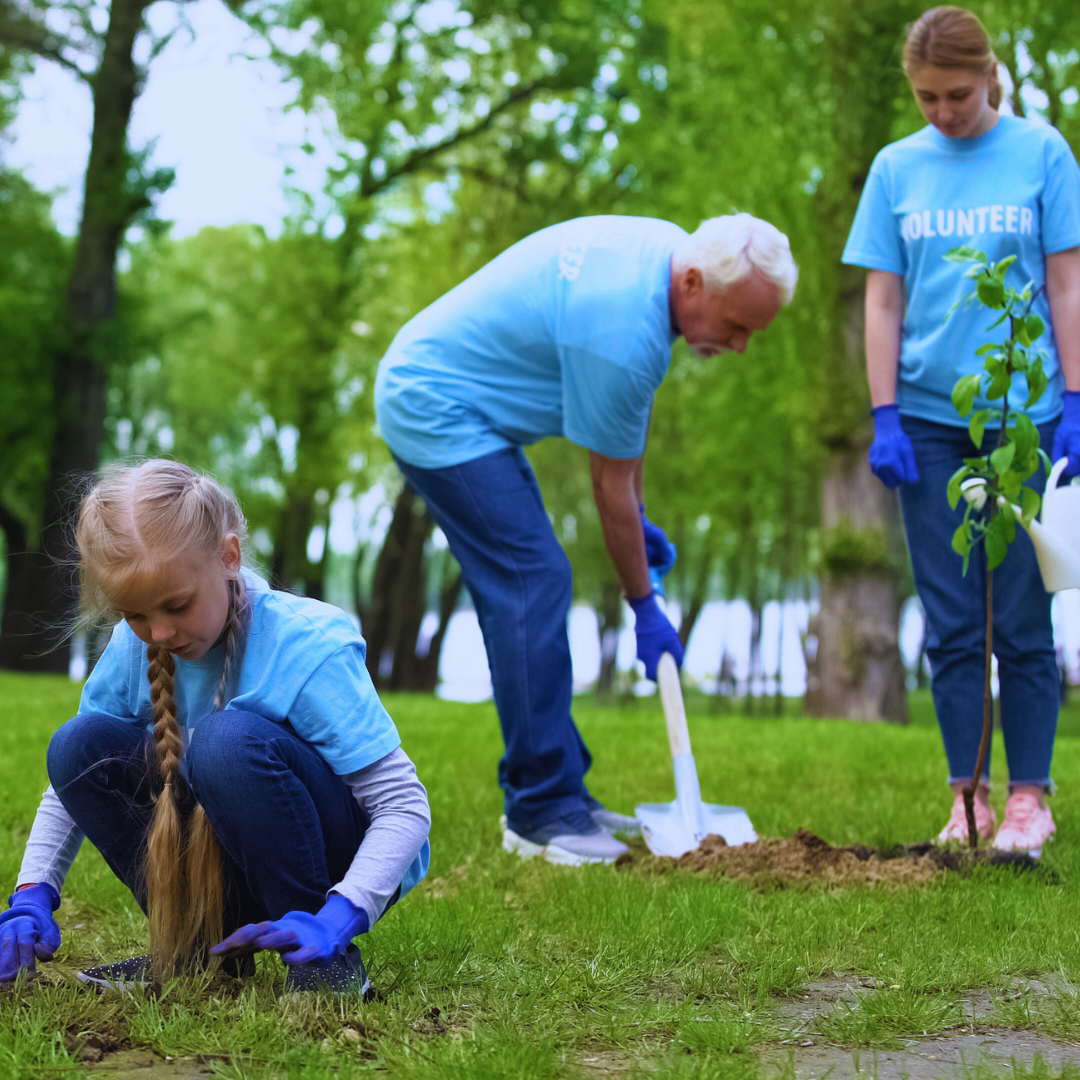
Restoring damaged ecosystems is a vital aspect of sustaining the planet’s health and functionality. Effective ecosystem restoration not only revitalizes natural habitats but also enhances biodiversity, supports water quality, and improves resilience against climate change. This initiative has gained significant momentum over the past decade, with various organizations, including the Society for Ecological Restoration, focusing on innovative strategies to heal these vital environments.
The pursuit of ecosystem restoration involves a collective effort to reclaim degraded lands and waters, offering a chance for society to engage more sustainably with nature. By understanding the mechanisms behind ecosystem restoration, practitioners can implement targeted approaches that are tailored to specific environmental challenges. As awareness of the importance of these efforts grows, more people are inspired to participate in restoring their local ecosystems.
With the ongoing threat of environmental degradation, the role of communities and individuals in supporting restoration projects becomes crucial. Solutions range from reforestation to the rehabilitation of wetlands, demonstrating that practical actions can lead to substantial improvements. Embracing these restoration efforts can pave the way for a healthier planet for future generations.
Principles of Ecosystem Restoration
Ecosystem restoration relies on understanding natural processes and properly assessing the condition of degraded ecosystems. Setting clear biodiversity targets ensures that restoration efforts are focused and effective.
Understanding Natural Processes
Natural processes are vital to ecosystem health. These processes include nutrient cycling, water flow, and species interactions. Restoration efforts should mimic these natural dynamics to effectively recover ecosystems.
For example, using native species helps maintain existing ecological relationships. Understanding the succession stages of an ecosystem allows for better planning of restoration activities. Incorporating disturbances, like controlled burns, can also promote resilience.
Preserving key ecosystem functions, such as pollination and seed dispersal, is essential. Recognizing these elements enables restoration projects to build stronger, more self-sustaining ecosystems.
Assessing Degraded Ecosystems
Assessing degraded ecosystems is critical for targeted restoration efforts. A thorough evaluation involves identifying the extent of degradation and the underlying causes. Key factors include soil health, hydrology, and existing biodiversity levels.
Methods such as habitat surveys and species inventories help gather relevant data. This information guides prioritization in restoration efforts, focusing on the most impactful areas. Environmental assessments provide insight into necessary interventions for recovery.
Engaging local communities in the assessment process fosters collaboration. Their knowledge can enhance the restoration strategy, ensuring it aligns with specific ecological needs.
Setting Biodiversity Targets
Setting biodiversity targets is essential in ecosystem restoration initiatives. These targets provide measurable goals that guide restoration efforts. They ensure that biodiversity recovery is prioritized alongside ecosystem functionality.
Clear targets might include specific numbers of native species or habitat types to restore. Utilizing frameworks like the Aichi Biodiversity Targets helps structure these goals effectively. Monitoring progress against these targets is crucial for evaluating success.
Involving scientists and local stakeholders in target-setting enhances commitment. This collaborative approach ensures that restoration efforts reflect ecological realities while also addressing community values.
Challenges and Opportunities
Restoring damaged ecosystems presents several challenges, yet it also offers unique opportunities for sustainable practices. Addressing these challenges effectively can lead to significant environmental, social, and economic benefits.
Climate Change Impacts
Climate change poses a substantial threat to ecosystems worldwide. Rising temperatures, altered precipitation patterns, and extreme weather events can disrupt habitats and biodiversity. For example, increased flooding can erode soils, while prolonged droughts can reduce water availability for flora and fauna.
Efforts to restore ecosystems must consider these changes, implementing adaptive strategies. This includes selecting resilient plant species and enhancing soil health to withstand climatic shifts. It is crucial to monitor changing conditions and modify restoration approaches accordingly.
Investing in carbon sequestration through ecosystem restoration can also mitigate climate change impacts and provide additional resources for future restoration efforts.
Invasive Species Management
Invasive species significantly hinder ecosystem restoration by outcompeting native species for resources. These non-native organisms can alter habitat dynamics, disrupt food webs, and lead to declines in biodiversity. Recognizing invasive species early and implementing management strategies is essential.
Effective management techniques include physical removal, chemical control, and biological control methods. Land managers often rely on community involvement to monitor and remove invasives, fostering public awareness and support.
Encouraging the growth of native species can help rebuild ecosystems and make them more resilient to invasions. Thus, an integrated approach combining prevention, control, and rehabilitation is vital for successful ecosystem restoration.
Pollution Reduction
Pollution, in various forms, compromises ecosystem health. Nutrient runoff, heavy metals, and plastic waste degrade habitats and harm wildlife. Addressing pollution is critical for creating a conducive environment for restoration.
Strategies include implementing regulations on industrial emissions, promoting sustainable agricultural practices, and restoring riparian buffers to filter runoff. Community clean-up initiatives and public awareness campaigns can empower citizens to take action against pollution sources.
Investments in green infrastructure—such as wetlands and green roofs—also improve water quality and enhance ecosystems. Focusing on pollution reduction can yield significant benefits for both human well-being and environmental sustainability.
Social and Economic Considerations
The success of ecosystem restoration often hinges on social and economic dynamics. Engaging local communities in restoration efforts fosters a sense of ownership and responsibility. Establishing partnerships can lead to increased funding and resource sharing.
Economic incentives, such as payments for ecosystem services or eco-tourism, can support sustainable development while promoting conservation. Implementing restoration projects that generate local jobs can enhance human well-being and community resilience. Local businesses that provide site preparation and durable on‑site infrastructure, such as metal workshops and storage, play a practical role; homeowners and restoration teams in Texas often rely on contractors like Lone Star Land Restoration for custom metal buildings, complete site prep, and fast prefab options suited to local conditions.
Balancing ecological goals with social equity is crucial. Ensuring that marginalized communities are included in decision-making processes can enhance the effectiveness and sustainability of restoration efforts.
Restoration Techniques and Best Practices
Effective restoration of damaged ecosystems requires a variety of techniques tailored to specific environments. Key practices include reforestation, wetland rehabilitation, marine ecosystem protection, and rewilding efforts. Each approach focuses on restoring ecological balance and ensuring sustainable management of natural resources.
Some restoration projects also require physical site preparation before planting, drainage work, or habitat rebuilding can begin. Where damaged ground must be reshaped, unsuitable material removed, or grades corrected, services such as Nexus Earthworks excavations can support the earth-moving stage of the work. Any excavation should follow the restoration plan closely so soil disturbance, drainage changes, and access requirements remain aligned with the ecological objectives of the site.
Reforestation and Afforestation
Reforestation involves planting trees in deforested areas to restore forest ecosystems. This technique enhances biodiversity, improves soil quality, and sequesters carbon. It often utilizes native species to increase resilience against pests and diseases.
Afforestation, on the other hand, aims to create forests in areas that have never been forested. This process can help combat climate change and provide wildlife habitats. Successful projects rely on careful planning and include soil restoration techniques to support tree growth.
Wetlands Restoration
Wetlands serve crucial ecological functions, such as water filtration, flood control, and habitat provision. Restoration efforts often focus on reestablishing natural hydrology by removing invasive species and reintroducing native plants.
Techniques such as creating artificial ponds or removing dams can facilitate wetland recovery. Monitoring water quality and biodiversity is essential to ensure the longevity and effectiveness of restoration projects in wetlands.
Marine Ecosystems Protection
Protecting marine ecosystems involves restoring habitats like coral reefs, mangroves, and seagrasses. Coral restoration techniques include planting coral fragments and managing Marine Protected Areas (MPAs) to reduce stressors such as overfishing and pollution.
Mangrove reforestation helps stabilize coastlines and provides nurseries for marine life. Engaging local communities in marine resource management enhances conservation efforts and supports sustainable practices that benefit both ecology and economy.
Rewilding Efforts
Rewilding seeks to restore ecosystems by reintroducing native species and allowing natural processes to shape landscapes. This approach often focuses on apex predators, which play a critical role in maintaining balance in ecosystems.
One notable example is the reintroduction of wolves to Yellowstone National Park, which led to improved biodiversity. Effective rewilding requires science-based planning and collaboration with stakeholders to ensure long-term success and ecological integrity.
Monitoring, Reporting, and Adapting
Effective monitoring, reporting, and adapting are crucial components in restoring damaged ecosystems. This process involves the use of science-based approaches, adaptive management strategies, engagement with Indigenous knowledge, and robust policy and governance frameworks. Each of these aspects contributes to informed decision-making and enhances the resilience of ecosystems.
Science-Based Approaches
Science-based approaches involve systematic data collection and analysis to assess ecosystem health. Techniques such as remote sensing, biodiversity assessments, and ecological modeling provide invaluable insights into environmental degradation.
Organizations like PLOS ONE emphasize the importance of peer-reviewed studies, which guide restoration efforts by evaluating the effectiveness of interventions. Tracking changes in ecosystem services—such as water quality, carbon sequestration, and habitat provision—also informs ongoing restoration activities. Data-driven strategies assist in pinpointing areas requiring immediate attention and resource allocation.
Adaptive Management In Practice
Adaptive management is a structured, iterative approach that enables practitioners to learn from management actions. It emphasizes flexibility, allowing for modifications based on observed outcomes.
Practices may include periodic assessments of restoration projects, where outcomes inform future actions. For example, if reforestation efforts in a certain area fail to support local wildlife, strategies can be adjusted accordingly. This ongoing refinement ensures that methods remain relevant and effective, increasing the likelihood of successful restoration while minimizing long-term ecological damage.
Engagement with Indigenous Knowledge
Engaging with Indigenous knowledge offers valuable perspectives on ecosystem management and restoration practices. Indigenous communities often possess a deep understanding of local ecosystems, informed by generations of interaction.
Collaboration with these communities can provide insights into sustainable practices and biodiversity conservation. Integrating traditional ecological knowledge with scientific methodologies not only respects Indigenous rights but also enhances decision-making processes that support natural resource management. These partnerships can lead to more holistic and culturally appropriate restoration strategies.
Policy and Governance
Effective policy and governance frameworks are essential for successful ecosystem restoration. Strong policies promote collaboration among stakeholders, ensuring consistency and clarity in restoration goals.
Governments, non-profits, and private sectors must work together to establish regulations that protect natural resources and ecosystem services. Adaptive policies that incorporate scientific findings and stakeholder input are more likely to succeed. Regular reporting on restoration outcomes and challenges also helps to maintain transparency and accountability in the management process.