
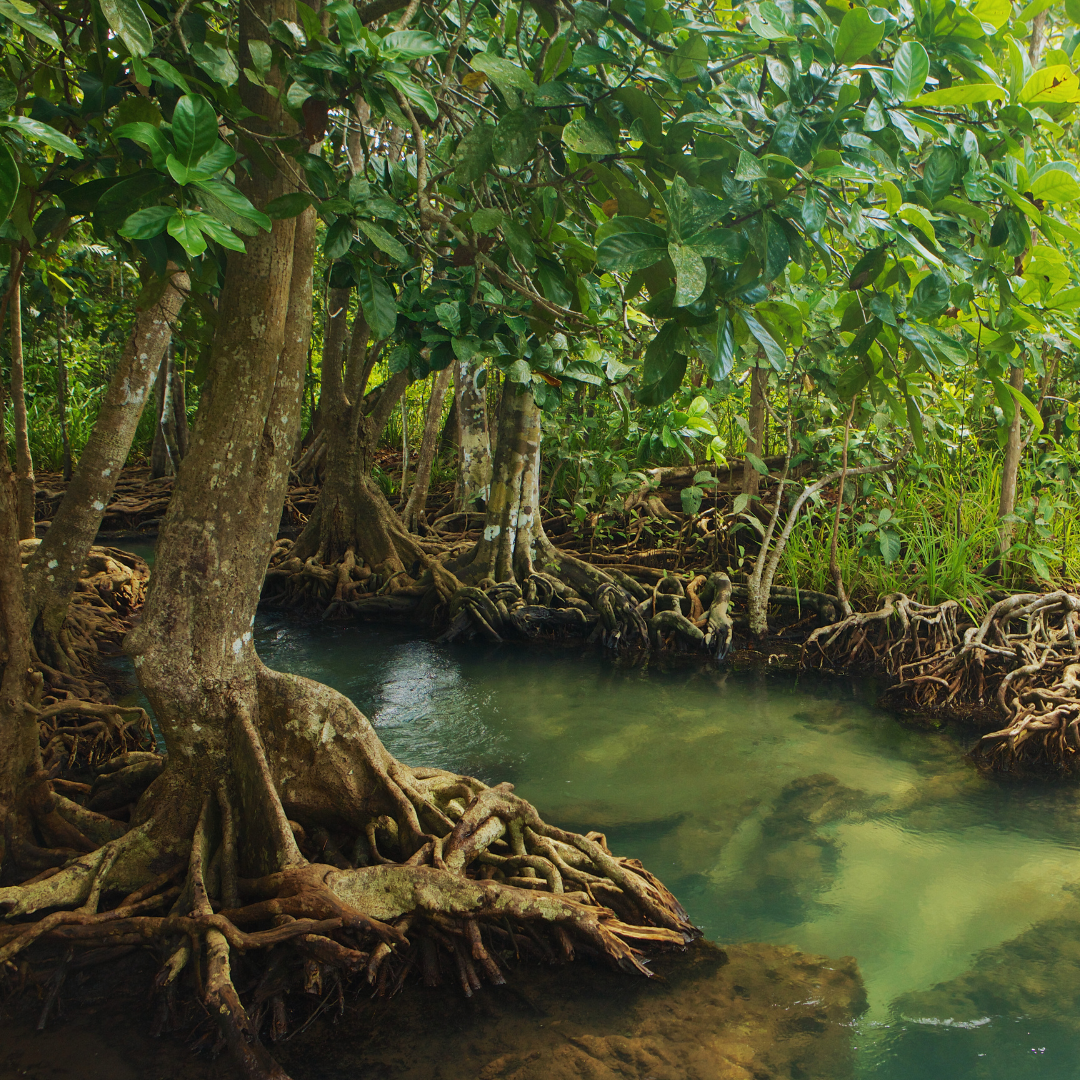
Mangrove forests are vital components of coastal ecosystems, playing a crucial role in protecting coastlines and preserving biodiversity. These unique habitats act as natural barriers against storm surges, erosion, and rising sea levels, safeguarding both coastal areas and the diverse species that inhabit them. Their complex root systems stabilize sediments and reduce the impact of waves, creating a safe environment not only for marine life but also for local communities.
In addition to their protective functions, mangrove forests provide numerous ecological benefits. They serve as nurseries for various fish species, supporting both commercial and recreational fisheries. Furthermore, the rich biodiversity found within these forests contributes to overall ecosystem health, ensuring the resilience of coastal areas against environmental changes.
Despite their importance, mangrove forests face significant threats from development and climate change. Recognizing their value is essential for implementing effective conservation efforts that protect these critical ecosystems and the myriad of life they support.
How Mangrove Forests Safeguard Coastlines
Mangrove forests play a crucial role in protecting coastlines from erosion and natural disasters. Their dense root systems stabilize soil, while their unique structure absorbs wave energy, reducing the impact of storms and other extreme weather events.
Natural Barriers Against Erosion and Storm Surges
Mangrove forests act as natural barriers that mitigate coastal erosion. Their complex root structures anchor the soil, preventing land loss. This anchoring is especially vital in areas prone to rising sea levels and storm surges.
During strong storms or hurricanes, mangrove trees can dissipate wave energy, significantly lowering the force of incoming water. The result is less shoreline retreat, preserving valuable coastal habitats and human infrastructure. Research indicates regions with healthy mangrove populations experience lower erosion rates compared to areas lacking these forests.
Mitigation of Natural Disasters
Mangrove forests contribute to community resilience in the face of natural disasters. By absorbing and dissipating the energy from storm surges, they reduce flooding risks. This protective attribute is essential for coastal communities that face threats from tsunamis and extreme weather.
In addition to their physical deterrent properties, mangroves provide a buffer that can lessen the overall impact of natural disasters. The loss of mangrove cover in coastal areas can result in more severe damage during events like hurricanes, as communities without these natural defenses face heightened vulnerability.
Role in Water Quality and Nutrient Cycling
Mangrove ecosystems improve water quality, benefiting coastal areas. They filter pollutants, including heavy metals and plastic waste, from runoff before it enters open waters. This filtration process protects marine habitats and supports biodiversity.
Furthermore, mangroves are essential for nutrient cycling, facilitating the transfer of organic materials between terrestrial and aquatic environments. Their decomposing leaves enrich the sediment, promoting healthy growth for both aquatic and terrestrial plants. This nutrient-rich environment supports diverse wildlife, which in turn fosters robust coastal ecosystems.
Mangrove Forests and Biodiversity Support
Mangrove forests are crucial for sustaining both marine and terrestrial ecosystems. They serve as biodiversity hotspots, supporting a wide array of species and contributing significantly to ecological balance. Their unique structure and location provide essential habitats for numerous life forms.
Critical Habitats for Marine and Terrestrial Life
Mangrove forests act as critical habitats that shelter a variety of species. The complex root systems of red mangroves create accessible environments for many fish and invertebrate species.
These areas provide refuge for both juvenile and adult stages of various marine life. Birds, mammals, and reptiles also find homes here, making mangroves essential for terrestrial ecosystems adjacent to coastal regions.
Biodiversity Conservation and Ecological Balance
The conservation of biodiversity within mangrove forests is vital for ecological stability. Native mangrove species contribute to a rich diversity of habitats.
Such diversity ensures robust food webs that sustain not only marine species but also terrestrial animals. Biodiversity helps mitigate the impacts of biodiversity loss, promoting resilience against climate change and other environmental threats.
Provision of Nursery Grounds for Fisheries
Mangrove forests serve as vital nursery grounds for commercial fish species. Young fish find safe havens among the roots, where they can grow and mature before venturing into open waters.
This support for nursery grounds is essential for the sustainability of fisheries and aquaculture. Healthy mangrove ecosystems contribute significantly to marine biodiversity, with direct implications for fishing communities reliant on these resources.
Carbon Sequestration and Climate Change Mitigation
Mangrove forests play a crucial role in carbon sequestration, offering significant benefits for climate change mitigation. Their unique ability to capture and store carbon not only helps reduce carbon emissions but also enhances ecosystem resilience.
Mangroves as Effective Carbon Sinks
Mangrove ecosystems are distinguished by their capability to sequester large amounts of carbon both above and below ground. The dense root structures of mangroves trap sediment and promote the buildup of organic material, resulting in high carbon storage.
Research indicates that mangroves can store up to four times more carbon per hectare than terrestrial forests. This is due to their alternating wet and dry conditions, which slow down the decomposition of organic matter. The carbon captured in the sediments can remain for centuries, making mangroves valuable as long-term carbon sinks.
Contribution to Climate Change Mitigation
By mitigating carbon emissions, mangrove forests contribute significantly to global climate change efforts. Preserving and restoring mangroves can offset emissions from various sources, particularly in coastal communities.
Investments in mangrove conservation and restoration can generate multiple benefits, including enhanced biodiversity and improved coastal protection. According to estimates, every hectare of mangroves can sequester approximately 1,000 to 2,500 tons of CO2 over a 20-year period.
These figures highlight the critical importance of protecting mangrove habitats. Not only do they act as carbon sinks, but they also bolster ecosystem resilience against climate impacts, supporting both people and wildlife in coastal regions.
Conservation, Restoration, and Sustainable Use of Mangrove Forests
Mangrove forests face significant threats, but can be preserved through targeted conservation and restoration strategies. Engaging local communities in these efforts is crucial for success, as it aligns economic benefits with ecological health.
Major Threats and Challenges Facing Mangroves
Mangrove forests encounter multiple threats leading to their decline. Deforestation for agriculture, urban development, and infrastructure projects contributes significantly to habitat loss. Furthermore, coastal development can disrupt these ecosystems, harming their essential functions.
Pollution from industrial runoff and plastic waste exacerbates these challenges. Rising sea levels and climate change introduce additional stressors, altering salinity levels and affecting species composition. These factors combined make mangroves one of the most endangered ecosystems globally.
Effective Conservation Strategies and Restoration Efforts
To combat the threats, various conservation strategies have been implemented. The United Nations Environment Programme promotes sustainable land-use practices and policies that protect mangrove habitats.
Restoration efforts include mangrove reforestation projects that aim to restore degraded areas. These projects often involve planting native mangrove species and promoting natural regeneration.
Successful initiatives require collaboration between governments, NGOs, and local communities, ensuring that conservation policies are effective and sustainable over time. Education on the importance of mangroves fosters community support for restoration activities.
Economic Benefits and Community Involvement
The conservation of mangroves offers substantial economic benefits for coastal communities. These forests provide resources such as fish, wood, and honey, enhancing livelihoods.
Ecotourism initiatives centered around healthy mangrove ecosystems can offer alternative income sources. Engaging indigenous communities in conservation efforts ensures the inclusion of traditional ecological knowledge, enhancing the effectiveness of strategies.
Community involvement is vital for successful conservation and restoration. Programs that incentivize local participation yield better results, leading to improved management of mangrove resources. By aligning local economies with ecological goals, sustainable use of mangroves can be achieved.