
Marine symbiosis plays a critical role in the health and diversity of underwater ecosystems. Through various forms of cooperation, such as mutualism and commensalism, different species rely on each other to thrive in the challenging marine environment. This intricate web of relationships not only enhances individual survival but also fosters a balanced ecosystem, influencing everything from nutrient cycling to habitat stability.
In coral reefs, for example, symbiotic relationships between corals and zooxanthellae algae provide essential nutrients through photosynthesis, while the coral offers protection and a stable environment for the algae. This partnership is vital for the resilience of reef ecosystems, which support a multitude of marine life. Understanding these symbiotic interactions reveals how interconnected life forms bolster the richness and sustainability of ocean habitats.
Exploring the dynamics of marine symbiosis sheds light on the broader implications for conservation and ecosystem management. With ongoing threats like climate change, recognizing the importance of these relationships can inform strategies to protect marine biodiversity.
Understanding Marine Symbiosis
Marine symbiosis plays a crucial role in fostering interdependent relationships within ocean ecosystems. These partnerships enhance ecological balance and contribute to the resilience of underwater habitats.
Defining Symbiosis in the Ocean
Symbiosis refers to a close relationship between two different species that live together, often to their mutual benefit. In the ocean, this can take various forms, including mutualism, commensalism, and parasitism.
- Mutualism occurs when both species benefit, such as clownfish and sea anemones.
- Commensalism allows one species to benefit while the other remains unaffected, exemplified by barnacles on whales.
- Parasitism, in contrast, benefits one species at the expense of another, as seen in certain fish infested by parasites.
These interactions contribute significantly to the dynamics of marine life.
Types of Marine Symbiotic Relationships
Marine ecosystems host a diverse range of symbiotic relationships. Each type can profoundly influence the organisms involved.
- Mutualistic Relationships
- Example: Cleaner fish and host fish. The cleaner fish eat parasites off the host, benefiting both.
- Commensal Relationships
- Example: Epiphytic algae growing on corals. These algae gain a substrate while corals are unaffected.
- Parasitic Relationships
- Example: Isopods that attach to fish, feeding on their blood. This negatively impacts the host.
Understanding these relationships sheds light on biological interactions within marine ecosystems.
Ecological Importance of Symbiotic Partnerships
Symbiotic relationships are vital for maintaining ecological balance in the oceans. They foster cooperation between species, which enhances biodiversity.
- Nutrient Cycling: Symbiotic organisms often participate in nutrient recycling, crucial for ecosystem health.
- Habitat Formation: Certain species, like corals, create habitats for countless marine organisms, promoting biodiversity.
- Resilience to Environmental Challenges: Symbiotic partnerships can enhance an ecosystem’s resilience, allowing species to adapt to changing conditions.
Through these mechanisms, marine symbiosis supports the stability and health of ocean environments.
Key Forms of Marine Symbiosis
Marine symbiosis encompasses various relationships that significantly influence underwater ecosystems. The interactions among organisms can be classified into three primary types: mutualism, commensalism, and parasitism. Each form plays a distinct role in maintaining ecological balance.
Mutualism: Beneficial Partnerships
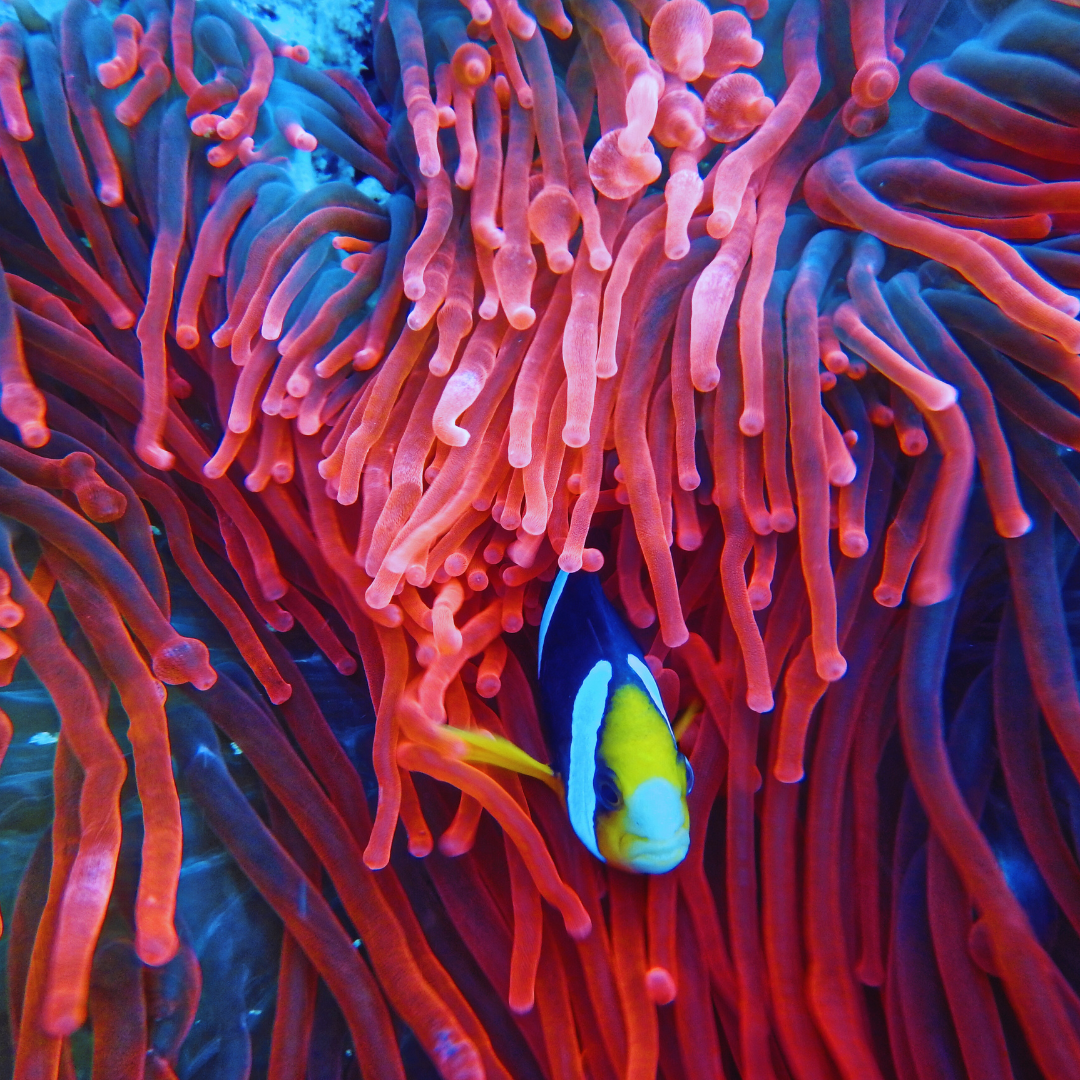
Mutualism involves relationships where both species benefit. A prominent example is the relationship between clownfish and sea anemones. The clownfish receives protection from predators by taking shelter in the anemone’s stinging tentacles, while the anemone receives nutrients from the clownfish’s waste.
Other instances include cleaner fish and their clients. Cleaner fish remove parasites and dead skin from larger fish. In return, these cleaner fish gain food and protection from predators. Such partnerships can enhance biodiversity and stability within marine environments.
Commensalism: One Benefits, One Unaffected
Commensalism describes relationships where one species benefits, while the other remains unaffected. An example of this is barnacles adhering to whales. As barnacles ride along, they gain access to nutrient-rich waters without impacting the whale.
Another example involves remoras, which attach to larger marine animals like sharks. The remoras benefit from transportation and food scraps, while the host remains essentially unharmed. Though commensal relationships might seem less dynamic than mutualism, they still contribute to ecosystem complexity.
Parasitism: One Benefits at the Expense of Another
Parasitism occurs when one species benefits at the expense of another. Parasitic isopods exemplify this interaction. These small crustaceans attach to fish and feed on the host’s blood or tissues, often resulting in significant harm.
Other parasitic relationships can be found in the marine realm, such as certain types of flatworms infesting fish. The hosts may experience reduced health or reproductive success due to these parasites. This relationship exemplifies the darker side of symbiosis, showcasing how organism interactions can lead to detrimental outcomes for one party.
Iconic Examples and Ecological Roles
Marine symbiosis plays a crucial role in sustaining diverse underwater ecosystems. Several prominent examples illustrate how these partnerships enhance biodiversity and ecosystem functions. The following sections highlight key interactions within these environments.
Coral Reefs: Symbiosis and Biodiversity
Coral reefs are among the most vibrant ecosystems on Earth, primarily formed by coral polyps. These small organisms host zooxanthellae, a type of algae that performs photosynthesis. The partnership allows corals to thrive in nutrient-poor waters, as zooxanthellae provide up to 90% of the coral’s energy.
In return, corals offer the algae protection and access to sunlight. This mutualistic relationship leads to highly diverse communities, supporting over 25% of all marine species. Threats like coral bleaching, caused by stress factors such as temperature increases, jeopardize not only coral health but also the vast biodiversity dependent on these ecosystems.
Anemones and Clownfish: Mutual Survival
Sea anemones and clownfish exemplify a classic mutualistic relationship. Clownfish seek refuge among anemones’ stinging tentacles, which provide protection from predators. In exchange, clownfish offer the anemones nutrients from their waste and may help to keep them clean.
This association is vital in maintaining the health of both species. Clownfish benefit from safety while facilitating anemone growth and reproduction. This partnership underscores the intricate connections that enhance marine biodiversity and ecosystem resilience.
Cleaning Stations: Interactions Between Species
Cleaning stations are specific locations in the ocean where fish, crustaceans, and other animals come together for symbiotic interactions. Cleaner fish, such as the cleaner wrasse, remove parasites and dead skin from larger fish, including sharks and sea turtles. This relationship benefits both parties, promoting health and well-being.
Remora fish also participate in these interactions by attaching themselves to larger species, gaining transport and feeding opportunities. Cleaning stations serve as crucial hubs in marine ecosystems, promoting species interactions that enhance overall community health and stability.
Unique Partnerships in the Deep Sea
The deep sea is home to unique symbiotic relationships, particularly around hydrothermal vents. Here, chemosynthetic bacteria utilize hydrogen sulfide to convert chemical energy into food, supporting diverse life forms.
Species like tube worms host these bacteria, allowing them to thrive in extreme environments. Decorator crabs camouflage themselves with sponges and corals, while pearlfish often live within the bodies of sea cucumbers for protection. These innovative partnerships highlight how adaptation and cooperation lead to survival in challenging conditions, showcasing the intricacies of marine ecosystems.
Influence on Marine Ecosystem Health and Conservation
Marine symbiosis plays a pivotal role in maintaining the health of underwater ecosystems. This interdependent relationship among marine organisms contributes significantly to biodiversity, nutrient cycling, and the resilience of marine environments against various stressors.
Contribution to Biodiversity and Nutrient Cycling
Symbiotic relationships enhance biodiversity by supporting various species’ survival. For example, coral reefs rely on symbiotic algae called zooxanthellae, which provide essential nutrients through photosynthesis. This interaction fosters diverse marine life, increasing the productivity of entire ecosystems.
Moreover, nutrient cycling is vital for ecosystem health. Organisms such as clownfish and sea anemones illustrate this process. The clownfish benefits from protection, while the anemone gains nutrients from waste. Such interactions ensure the availability of essential nutrients, promoting the growth of other marine species.
Impacts of Environmental Stressors
Environmental stressors like climate change, pollution, and habitat destruction threaten symbiotic relationships. Rising sea temperatures cause coral bleaching, disrupting the relationship with zooxanthellae and leading to reef degradation. Consequently, this impacts marine biodiversity and ocean health.
Pollution presents another significant challenge. Nutrient runoff can lead to harmful algal blooms that suffocate marine habitats. Overfishing exacerbates these issues by removing key species that maintain balance within ecosystems. The loss of these species can create cascading effects, disrupting symbiotic interactions and reducing biodiversity.
Conservation Strategies and Community Involvement
Effective conservation strategies are essential for safeguarding marine ecosystems. Protected areas, such as marine reserves, play a crucial role in preserving habitats and encouraging biodiversity. These reserves help mitigate the impacts of overfishing and habitat destruction.
Community involvement is also critical. Citizen science initiatives engage local populations in monitoring marine health. For instance, diving programs that educate participants on marine conservation can foster stewardship. This collective effort enhances conservation outcomes and promotes a deeper connection between communities and their marine environments.