
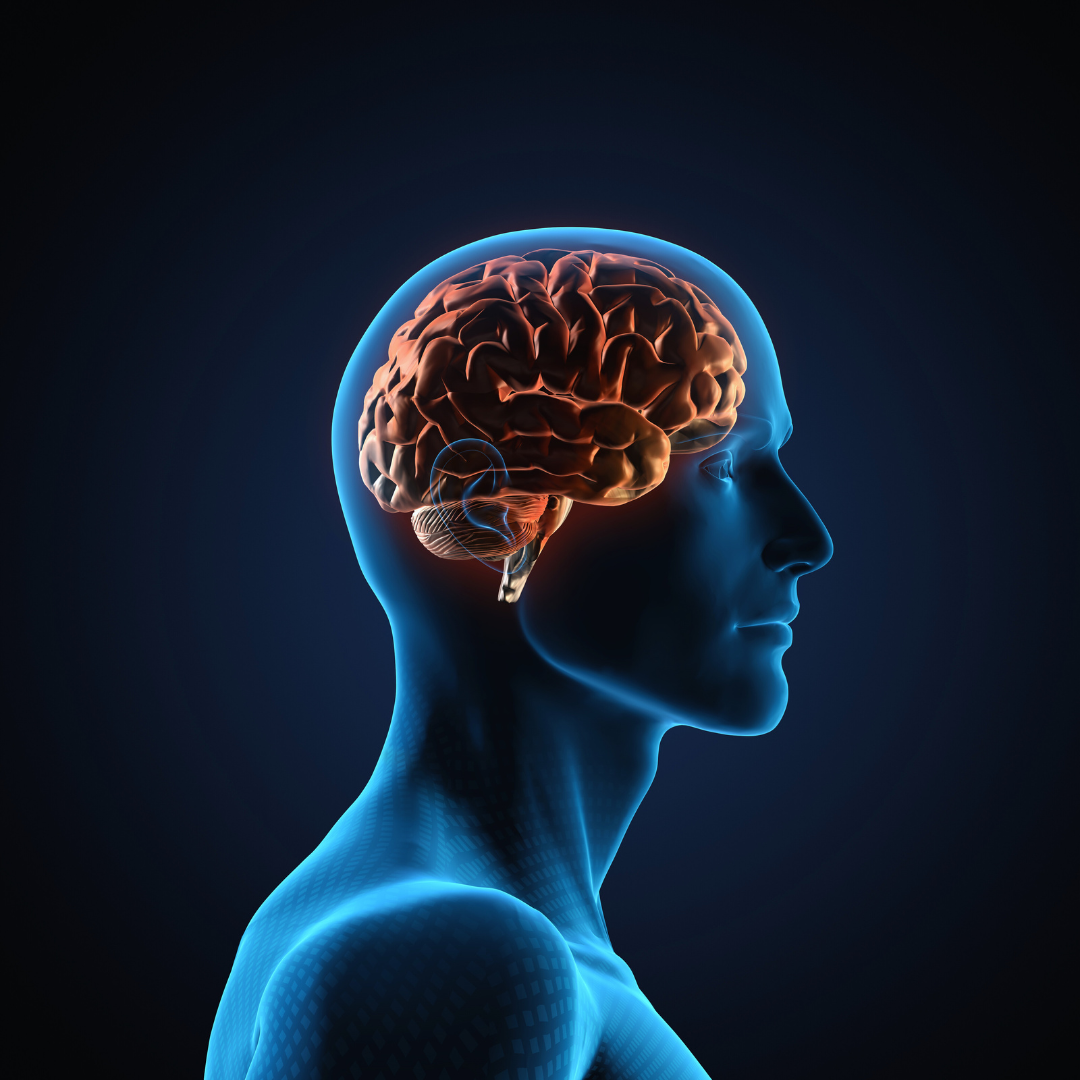
Memory is a complex and vital function of the human brain that shapes experiences and informs future decisions. At its core, memory is formed through intricate processes involving neurons, which communicate through electrical and chemical signals to create and store information. Neuroscience has unveiled various types of memory, such as short-term and long-term memory, each playing a distinct role in how individuals recall information.
The ability to remember is not just a simple storage process; it involves the dynamic interaction of different brain regions. For instance, the hippocampus is crucial for forming new memories, while the prefrontal cortex plays a significant role in retrieving them. Understanding these mechanisms provides insight into how humans learn and adapt over time.
As research continues to evolve, it becomes increasingly clear that memory is not merely an archive of past events. It is an active, living process that shapes identity and behavior. By exploring the science behind memory, readers can gain a deeper appreciation for the complexities of the brain and its remarkable capabilities.
Fundamentals of Memory
Memory is a complex process involving various neural mechanisms and distinct systems. Understanding how memory works can reveal the intricacies of human cognition and the ways memories are formed, stored, and retrieved.
Neural Basis of Memory
Memory formation relies heavily on neurons, the brain’s fundamental cells. When information is processed, synaptic connections between neurons strengthen, a concept known as synaptic plasticity. Key brain regions involved include the hippocampus, essential for consolidating short-term memories into long-term storage, and the amygdala, which processes emotionally charged memories.
Additionally, neurotransmitters play a crucial role in memory reinforcement. For instance, dopamine is linked with reward-based memory formation, enhancing the likelihood of recalling important information. Disruptions in these processes can lead to memory impairments, emphasizing the importance of a healthy neural network for optimal cognitive function.
Types of Memory Systems
Memory systems can be broadly categorized into short-term memory and long-term memory. Short-term memory holds information temporarily, allowing individuals to retain details like a phone number for a brief period, typically around 15 to 30 seconds without active rehearsal.
In contrast, long-term memory encompasses various subtypes, including episodic memory, which relates to personal experiences and specific events. This type is crucial for recalling past experiences and the context surrounding them. Other forms of long-term memory include procedural memory, responsible for skills and tasks, and semantic memory, which involves knowledge about facts and concepts. Each of these systems operates through distinct mechanisms, shaping how individuals remember and interact with the world.
Memory Encoding and Retrieval
Memory encoding and retrieval are fundamental processes that determine how information is stored and accessed in the brain. Encoding involves transforming sensory input into a format that can be stored, while retrieval is the process of accessing that stored information. Understanding these processes provides insights into learning and memory functions.
The Process of Memory Encoding
Memory encoding encompasses several steps that convert external stimuli into neural codes. This begins with attention, where selective focus is directed towards relevant information. Next, elaboration occurs, linking new details with existing memories.
There are various encoding strategies:
- Visual encoding: Using images to facilitate recall.
- Acoustic encoding: Emphasizing sound patterns.
- Semantic encoding: Focusing on the meaning of information.
The more deeply information is processed, the better it is remembered. Factors like emotional significance and personal relevance further enhance encoding effectiveness.
Mechanisms of Memory Retrieval
Memory retrieval involves accessing information from stored memories. It can be classified into recall and recognition. Recall requires generating information from memory without cues, while recognition involves identifying previously learned information when presented.
The effectiveness of retrieval relies on cues and contextual factors. Retrieval cues, such as related information or environmental context, can trigger memory recall. In associative memory, linking new knowledge with familiar concepts aids retrieval.
Disruptions in retrieval can occur due to interference, where competing memories hinder access to the desired information.
Role of the Hippocampus
The hippocampus plays a crucial role in memory processing, particularly in encoding and retrieval. It is essential for forming new explicit memories and integrating them into existing memory networks.
This region facilitates the transition of memories from short-term to long-term storage. Damage to the hippocampus can result in difficulties forming new memories, known as anterograde amnesia.
Additionally, the hippocampus aids in spatial memory, helping individuals navigate their environments. Its interaction with other brain regions underscores its importance in comprehensive memory function.
Memory Disorders and Brain Diseases
Memory disorders can significantly impact cognitive functions and are often associated with various neurological conditions. Dementia is one of the most prevalent, and understanding the stages of dementia symptoms helps in identifying how the condition progresses over time. In the early stage, individuals may experience mild forgetfulness and occasional disorientation. As the condition advances to the moderate stage, symptoms can include significant memory loss, behavioral changes, and difficulty performing daily tasks. In the late stage, dementia leads to severe cognitive decline, loss of communication abilities, and complete dependence on care. Understanding these stages is essential for timely diagnosis and effective care planning. Memory can also be affected by conditions such as epilepsy, where disruptions in brain activity interfere with recall and retention, and Alzheimer’s disease, a major cause of dementia that progressively impairs memory and cognitive function.
Impact of Epilepsy on Memory
Epilepsy is a neurological disorder that causes recurrent seizures. These seizures can disrupt brain activity, particularly in areas associated with memory, such as the medial temporal lobe.
Epilepsy patients may experience memory issues like amnesia or difficulties in forming new memories. Over time, frequent seizures might lead to cognitive decline.
Some studies indicate that specific memory genes may play a role in susceptibility to these memory impairments. Treatment and management of epilepsy are crucial to mitigate memory loss and improve overall cognitive function.
Understanding Alzheimer’s Disease
Alzheimer’s disease is a progressive neurodegenerative disorder characterized by memory loss and cognitive decline. It primarily affects the brain’s ability to process and store information, with plaques and tangles leading to neuronal death.
Symptoms typically begin with short-term memory loss, which gradually progresses to more severe cognitive dysfunction. Individuals often struggle with daily tasks and may become disoriented.
The exact cause remains unclear, but genetic factors, including mutations in specific genes, can increase the risk. Early detection and intervention are essential for managing symptoms and improving the quality of life for affected individuals. Traditional medicine often focuses on the physical signs of the disease in the brain. Some modern approaches now look at the body’s overall ability to heal itself. This method tries to find the functional causes that stop the brain from working well. Finding a new Alzheimer’s treatment that looks at these root issues is a goal for many families. These programs often aim to restore brain function in a short time.
Scientific and Technological Advances in Memory Research
Recent advancements in neuroscience and technology have deepened the understanding of human memory. Key areas of progress include brain imaging techniques, the role of genetics, and potential methods for enhancing learning.
Innovations in Brain Imaging
Brain imaging technologies, such as functional magnetic resonance imaging (fMRI) and positron emission tomography (PET), have revolutionized memory research. These methods allow scientists to visualize brain activity in real-time, revealing how different regions contribute to memory processes.
Through these scans, researchers have identified specific brain structures, like the hippocampus, crucial for forming and retrieving memories. Additionally, advanced imaging allows for the exploration of neural connections, showing how experiences shape memory pathways.
Moreover, these technologies enable studies on memory-related disorders, facilitating the development of targeted therapies. By pinpointing dysfunctional areas in the brain, interventions can be better tailored to restore memory functions.
Contribution of Genetics to Memory
Research has increasingly focused on how genetics influences memory capacity and mechanisms. Specific genes, often referred to as “memory genes,” regulate the production of proteins essential for memory formation.
Studies funded by organizations such as the National Institutes of Health have identified genetic variations linked to cognitive function. For instance, certain gene variants can affect synaptic plasticity, influencing how neurons form connections during learning.
Understanding these genetic factors opens pathways for personalized memory enhancement strategies. This knowledge could lead to therapies that modify gene expression, potentially improving memory performance in individuals with cognitive impairments or age-related decline.
The Future of Learning Enhancement
Innovations in memory research may greatly enhance educational methods and learning strategies. As understanding of the brain’s memory mechanisms expands, tools and approaches can be developed to optimize learning experiences.
Techniques such as spaced repetition and mnemonic devices are being refined based on neuroscientific findings. Additionally, digital platforms are integrating cognitive training exercises tailored to individual brain function and memory profiles.
Future advancements may include the use of neurofeedback, allowing individuals to actively engage in enhancing their memory. By training the brain in targeted ways, these methods could lead to significant improvements in learning efficiency and memory retention.