
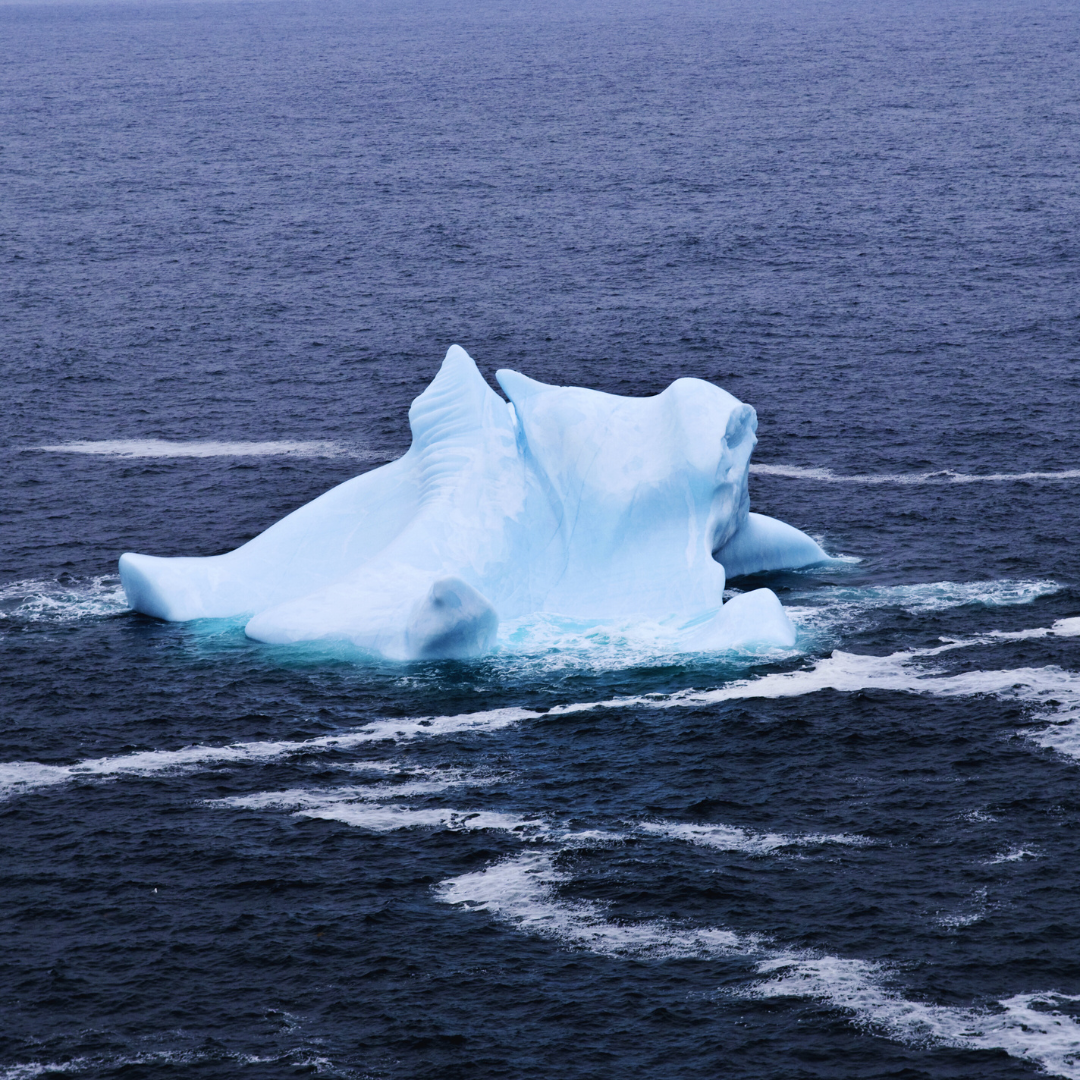
The effects of climate change are increasingly evident in the ocean, altering the natural patterns of marine species. Warmer temperatures, changing currents, and acidification are driving many fish and other marine organisms to shift their migration routes, impacting ecosystems and fishing industries. These changes force species to adapt to new environments, often leading to increased competition for resources.
As some species migrate to cooler waters, ecosystems may also experience significant shifts. Predatory and prey relationships could be disrupted, resulting in cascading effects on biodiversity. Understanding these changes is crucial for managing fisheries and conserving marine life as they navigate this transformed landscape.
This transformation is not just a scientific concern; it holds implications for coastal communities and global economies that rely on stable marine populations. By examining these migration shifts, he or she can appreciate the complex interplay between climate change and marine life while recognizing the urgency for informed responses.
Climate Change and Its Impact on Oceanic Migration
Climate change significantly alters the conditions of marine environments, affecting migration patterns of various oceanic species. Key factors include rising ocean temperatures, changes in ocean currents, and the effects of ocean acidification and oxygen levels.
Rising Ocean Temperatures
Increasing sea surface temperatures influence marine life, prompting many species to shift their migration routes. Fish and marine mammals often move toward cooler waters, which may be farther from their traditional habitats.
For instance, species like cod and haddock have shifted northward due to rising temperatures. This change can lead to increased competition in new areas and disrupt existing ecosystems.
Human activities also exacerbate this effect by contributing to greenhouse gas emissions. As temperatures rise, some species may find their environments unsuitable for survival, which poses risks for the fishing industry and food security.
Changes in Ocean Currents
Changes in ocean currents, resulting from altered wind patterns and melting ice, affect migration routes. Currents play a critical role in transporting nutrients and breeding grounds for marine species.
Species such as salmon rely on specific currents for migration during spawning. Disruptions in these currents may lead to reduced reproductive rates and affect entire populations.
Additionally, hurricanes and flooding can further shift these currents, causing unexpected changes in marine habitats. As currents become less predictable, migratory patterns will continue to experience challenges, complicating conservation efforts.
Ocean Acidification and Oxygen Levels
Ocean acidification—a direct result of increased carbon dioxide—affects marine ecosystems. Acidic waters can hinder the growth of shellfish and coral reefs, which are vital habitats for many marine species.
Low oxygen levels, often linked to pollution, also pose a significant threat. These hypoxic conditions can lead to dead zones, making areas uninhabitable for many organisms.
As species attempt to adapt to these changes, their migration patterns may shift drastically. The interplay between acidification and oxygen levels creates a complex environment where marine life must continuously adjust to survive.
Shifting Migration Patterns and Marine Species Distribution
Climate change is significantly altering marine species’ migration patterns and distribution. These changes impact various species, from keystone species to migratory animals, affecting entire marine ecosystems.
Northward Shifts and Range Expansion
Many marine species are migrating northward in response to warming ocean temperatures. This shift opens up new territories for species such as Atlantic cod and Pacific salmon, which are moving into previously uninhabitable waters.
Tuna species, particularly in the Atlantic, are similarly expanding their range to follow preferred temperature zones.
These northward movements can disrupt existing ecosystems and introduce competition for local species, affecting both predator and prey dynamics.
Altered Seasonal and Phenological Patterns
Changes in ocean temperature influence not only migration but also seasonal behaviors of marine species. Many fish and cetaceans are altering their breeding and feeding schedules.
For instance, salmon and sharks are adapting their life cycles to align with shifting food availability based on changing water temperatures.
This phenomenon of altered phenology can lead to mismatches in predator-prey interactions, impacting food webs.
In some cases, species may arrive too early or too late, decreasing reproductive success and survival rates.
Impacts on Keystone and Migratory Species
Keystone species play a crucial role in maintaining marine biodiversity, and their migration patterns are being affected by climate-driven changes.
Atlantic cod and Pacific cod serve important ecological functions as both predators and prey.
As these species shift their ranges, the impact on the marine ecosystem can be profound.
Migratory species like cetaceans are also at risk, facing challenges like altered prey availability and increased competition due to range shifts.
These changes threaten the balance of marine ecosystems and highlight the need for ongoing monitoring and management efforts.
Ecological and Economic Consequences
Climate change significantly influences marine ecosystems and economic activities dependent on oceanic resources. Altered migration patterns of marine species can lead to substantial ecological shifts and impact fisheries, ultimately affecting local economies.
Impacts on Marine Ecosystems and Biodiversity
Changing ocean conditions affect marine ecosystems’ health and biodiversity. Species may migrate to find suitable habitats, leading to shifts in community structures. For instance, warmer waters can increase the prevalence of certain species while others may decline or disappear completely.
This shift can disrupt food webs and relationships between predator and prey. Additionally, invasive species may enter new habitats, further challenging native biodiversity. The cumulative effect can weaken ecosystem resilience, making recovery from disturbances more difficult.
Fisheries and Changing Fish Stocks
Changes in migration routes directly impact fish stocks, posing challenges for commercial fisheries. As species relocate, some fish may become less accessible, raising operational costs and affecting availability.
Fishermen may need to adapt to new regulations or shift to alternative species, which may not be economically viable. Overfishing becomes a concern as stocks shift, leading to unsustainable harvesting practices. Ensuring sustainable fisheries becomes crucial for balancing ecological health with economic needs.
Habitat Loss and Conservation Efforts
Habitat loss is a significant consequence of climate change. Coastal areas, such as mangroves and coral reefs, face degradation due to rising sea temperatures and acidification. These habitats are vital for many marine species, providing breeding grounds and shelter.
Conservation efforts are essential to mitigate these impacts. Initiatives include establishing marine protected areas and restoring damaged ecosystems. Such measures aim to enhance resilience and support biodiversity, ensuring ecosystems can adapt to ongoing changes caused by climate dynamics.
Regional Shifts and Case Studies
Climate change is causing notable alterations in marine migration patterns, with specific regions showing significant shifts. These changes impact both marine ecosystems and human activities, highlighting the need for targeted studies in affected areas.
Atlantic Ocean and Northern Sea Route
In the Atlantic Ocean, warmer waters are influencing the migration of key species like cod and haddock. Historically, these fish moved northward towards cooler waters as temperatures increased.
The Northern Sea Route is becoming more navigable due to diminishing sea ice, which facilitates the movement of both fish and shipping vessels. This increasing accessibility raises concerns about overfishing and ecological balance, as new migration routes may disrupt existing populations and feeding habits.
Bering Sea and Cold Pool Dynamics
In the Bering Sea, the presence of a cold pool serves as a critical habitat for various species. As climate change affects sea temperatures, this cold pool is becoming less stable, pushing fish like pollock to seek new habitats.
This shift has significant implications for fisheries, which depend on the abundance and location of these fish. Changes in fish migration can lead to economic impacts for local communities reliant on fishing, altering the traditional practices and livelihoods of those in the region.