
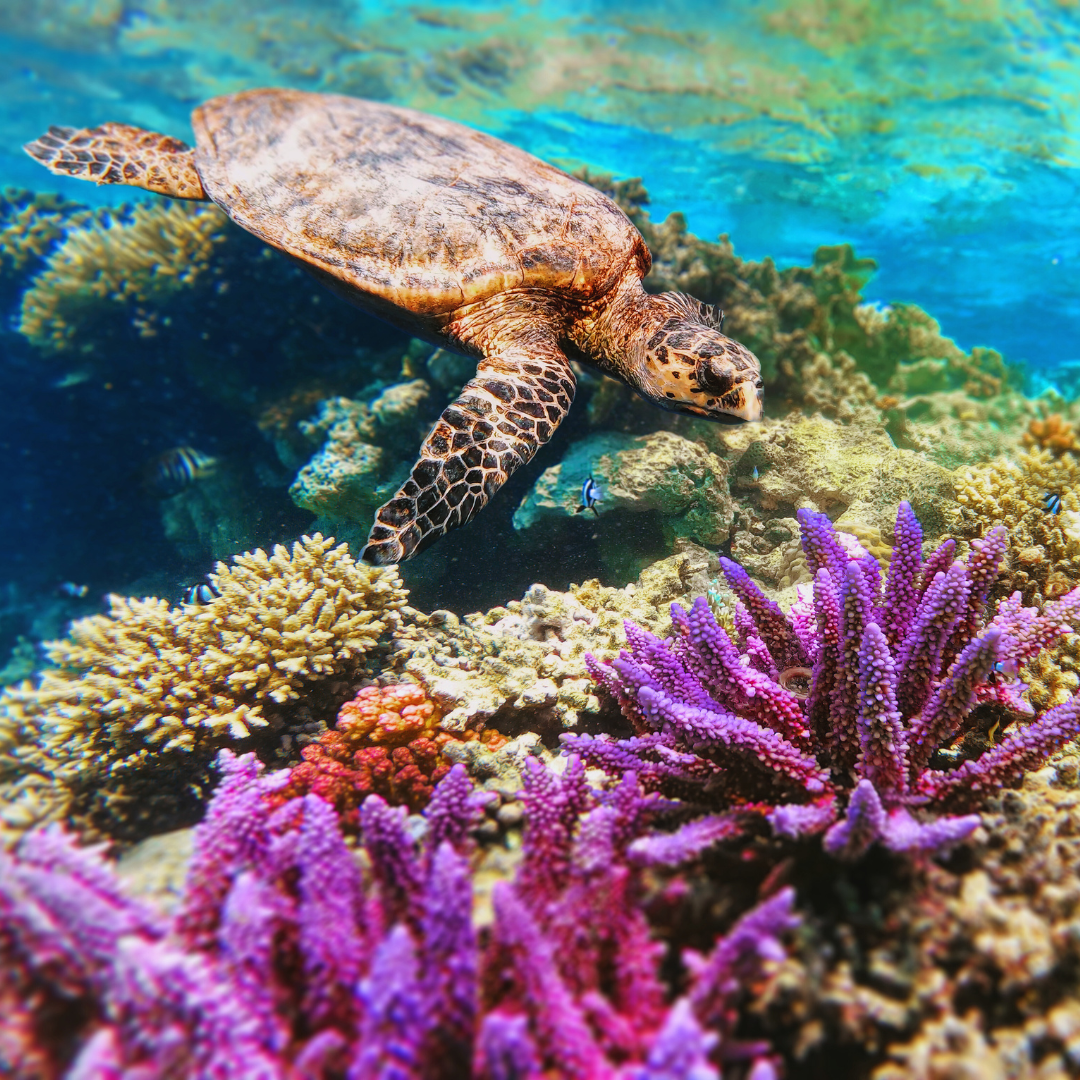
Coral reefs are vital ecosystems, often referred to as the “rainforests of the sea.” After bleaching events, these reefs can recover through a combination of resilience strategies, including the regrowth of symbiotic algae and the adaptation of coral species to changing conditions. Understanding how this recovery process works sheds light on the health of marine environments and the ongoing impact of climate change.
Recovery begins when corals expel the stressors that cause bleaching, often leading to a temporary loss of color and vitality. In the aftermath, resilient coral species can reestablish their symbiotic relationships with algae, crucial for their nourishment. This regeneration is further supported by healthy environmental conditions, such as lower water temperatures and reduced pollution.
As coral reefs bounce back, they play a role in restoring biodiversity and providing essential habitats for countless marine species. The resilience of these underwater structures highlights the importance of ongoing conservation efforts and the need to mitigate climate change impacts. Understanding these dynamics offers hope for the future of our oceans.
Understanding Coral Bleaching and Its Impact
Coral bleaching significantly affects the health of coral reefs, disrupting marine ecosystems. This process is triggered by environmental changes, primarily heat stress, leading to dire consequences for coral systems.
What Causes Coral Bleaching?
Coral bleaching occurs when corals expel symbiotic algae known as zooxanthellae. These algae provide corals with color and nutrients through photosynthesis. Factors such as elevated sea temperatures, pollution, and changes in salinity can trigger this expulsion.
Key causes include:
- Heat Stress: Prolonged exposure to higher temperatures, often linked to climate change.
- Pollution: Nutrient runoff and harmful chemicals can disrupt coral health.
- Ocean Acidification: Increased carbon dioxide levels lower the pH of seawater, affecting coral growth.
Effects of Bleaching Events on Coral Reefs
Bleaching events can severely impact coral reefs, leading to loss of biodiversity and altered marine habitats. When corals lose their symbiotic algae, they become more vulnerable to disease and mortality.
Consequences include:
- Reduced Growth Rates: Affected corals struggle to grow and reproduce.
- Loss of Habitat: Many marine organisms depend on healthy reefs for shelter and food.
- Ecosystem Imbalance: Altered species composition may arise, threatening entire marine communities.
Environmental Change and Heat Stress
Environmental changes play a significant role in exacerbating heat stress and subsequent coral bleaching. As global temperatures rise, the frequency and severity of bleaching events increase.
Main factors include:
- Climate Change: Rising ocean temperatures due to climate patterns directly affect coral health.
- El Niño Events: These periodic climate variations can lead to increased sea surface temperatures.
- Local Factors: Coastal development and deforestation can worsen water quality, amplifying stress on coral reefs.
These mechanisms illustrate the complex interplay between environmental factors and coral health, highlighting the urgent need for conservation efforts.
Mechanisms of Coral Reef Recovery After Bleaching
Coral reefs have specific recovery mechanisms that facilitate their restoration after bleaching events. Key aspects include the initial responses of corals, the role of young corals, and the function of coral skeletons, including those of dead corals.
Initial Response of Coral Reefs Following Bleaching
After a bleaching event, corals first exhibit stress responses that often include the expulsion of zooxanthellae, the symbiotic algae crucial for their survival. This loss leads to a stark color change, resulting in vulnerability to disease and mortality.
In the recovery phase, healthy coral polyps can regenerate their symbiotic relationships and begin to regain their color and vitality. The presence of stress-tolerant coral species can greatly influence recovery speed. Indicators like the re-establishment of zooxanthellae and improved temperatures are vital for signaling recovery.
Role of Young Coral in Reef Recovery
Young corals play a pivotal role in the recovery of reefs. These small, faster-growing corals, often referred to as recruits, have the ability to repopulate damaged areas. They are critical for restoring the structural complexity of the reef habitat.
Recruits thrive in conditions where adult corals have died, and their rapid growth helps build new coral cover. Additionally, they can adapt to fluctuating environmental conditions better than older corals. Ensuring the survival and growth of these young corals is essential for long-term reef recovery.
Significance of Coral Skeletons and Dead Coral Skeletons
Coral skeletons serve as a habitat for young corals and other marine life. Live coral skeletons provide stability and surface area for colonization, facilitating the establishment of new coral.
Dead coral skeletons also contribute to recovery. They act as a substrate for new coral growth, maintaining structural integrity. Although they are no longer living, dead structures can ensure marine biodiversity remains supported and aid in ecological processes during the recovery phase, ultimately contributing to a healthier reef ecosystem.
Ecological Factors Influencing Recovery
Several ecological factors significantly influence how coral reefs recover from bleaching events. Key interactions within the reef ecosystem, competition between species, and case studies from specific regions provide insights into the recovery process.
Competition Between Coral and Seaweed
Competition for space and resources is critical in coral reef recovery. After bleaching, seaweed often proliferates due to the loss of live coral. This rapid growth can overshadow corals, hindering their ability to recolonize rocky surfaces. Species such as Pocillopora are particularly susceptible, as they require clear space for optimal growth.
Studies have shown that higher seaweed abundance negatively correlates with coral cover. Effective management strategies that reduce nutrient runoff can limit seaweed growth, thereby promoting coral recovery. For instance, controlling coastal pollution can help restore balance within the ecosystem.
Role of Reef Ecosystems and Associated Species
Reef ecosystems comprise various organisms, all contributing to coral resilience. Facilitating species, including certain fish and invertebrates, enhance coral health by grazing on competing algae and promoting nutrient cycling. These species play a vital role in maintaining a stable environment conducive to coral growth.
Furthermore, symbiotic relationships, such as those between zooxanthellae and corals, help enhance the recovery potential. The presence of diverse marine life fosters ecosystem stability, allowing corals to recover more effectively from stressors like bleaching.
Case Studies: Moorea and Pacific Islands
Research in Moorea demonstrates the impact of local management practices on coral recovery. In areas where marine protected zones were established, coral populations showed significant resilience compared to unprotected areas. This highlights the importance of conservation efforts in promoting recovery.
In other Pacific Islands, findings revealed that coral populations can rebound within a few years if ecological conditions are favorable. Specific species, like Pocillopora, have exhibited high rates of regrowth. Their recovery was linked to reduced competition from seaweed and healthier reef ecosystems, showcasing the interplay of various ecological factors in coral resilience.
Long-Term Challenges and Future Outlook
Coral reefs face significant long-term challenges that impact their recovery from bleaching events. Climate change and human activity threaten their resilience, while strategies to enhance their recovery offer pathways forward.
Impact of Climate Change on Reef Recovery
Climate change is a primary factor hindering the recovery of coral reefs. Rising ocean temperatures can lead to more frequent and severe bleaching events, which disrupt the symbiotic relationship between corals and zooxanthellae. As a result, corals struggle to regain lost biomass and reproductive capacity.
Ocean acidification, another consequence of increased CO2 levels, impairs coral calcification. This reduces the ability of corals to build their skeletons, making them more vulnerable to erosion and damage.
The predictions indicate that without substantial reductions in greenhouse gas emissions, many coral reefs may face an uncertain future. Some studies suggest that only 10-30% of reefs may survive by the end of the century under current trends.
Strategies to Enhance Coral Resilience
To counteract the challenges posed by climate change, several strategies aim to enhance coral resilience. The identification of heat-resistant coral species allows for targeted conservation efforts. These species can be propagated and transplanted to degraded areas.
Coral gardening initiatives also play a pivotal role. This method involves cultivating corals in nurseries and reintroducing them to damaged reefs.
Furthermore, reducing local stressors, such as overfishing and pollution, can improve reef health. Effective management of coastal development is essential to limit sedimentation and nutrient influx into marine environments.
Community education and engagement empower local stakeholders to take action in reef conservation. By integrating scientific research with local knowledge, sustainable practices can be established to foster long-term coral health.