
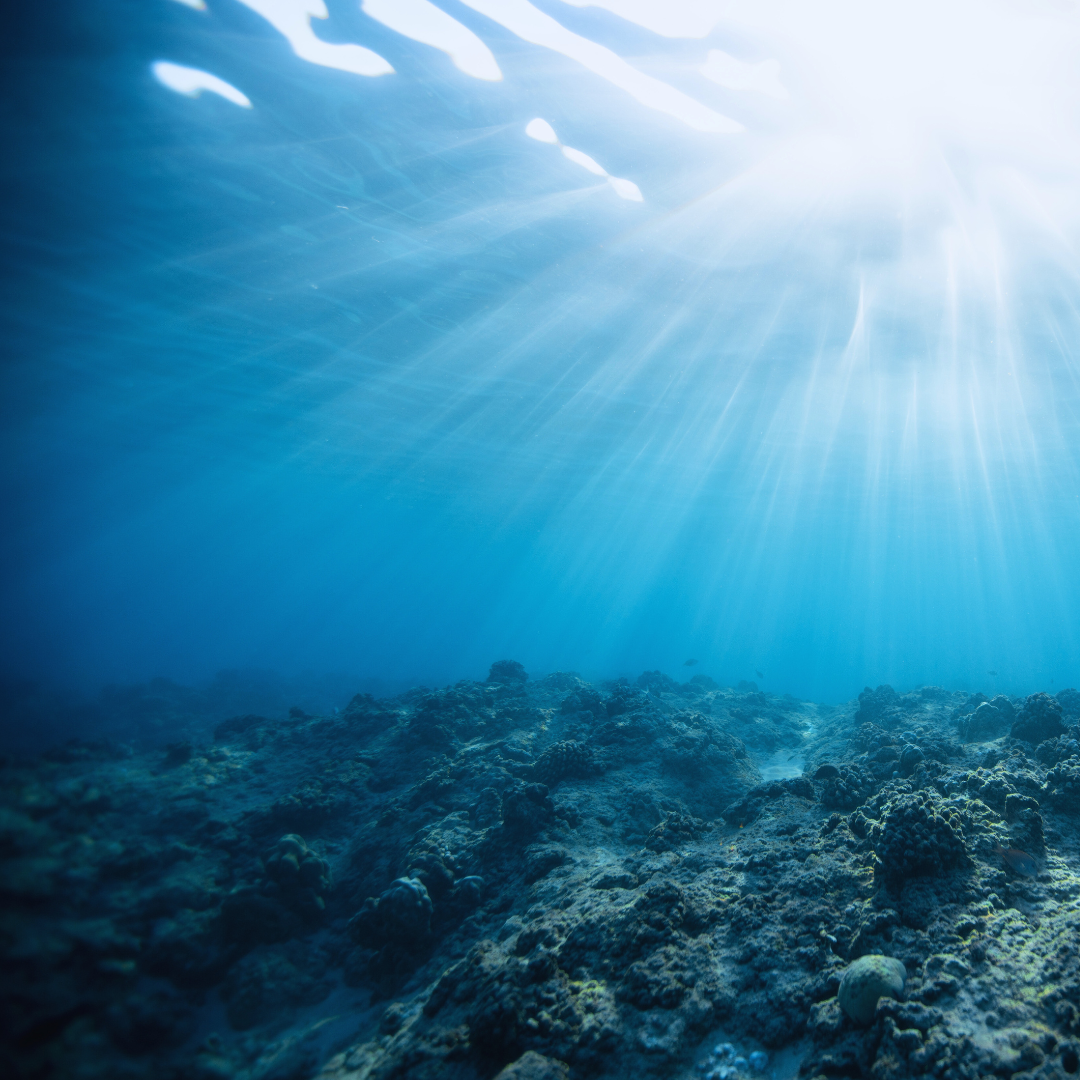
Ocean acidification poses a significant threat to marine ecosystems, influencing not only the health of individual species but also the intricate food web dynamics that sustain them. As carbon dioxide levels rise, the oceans absorb more of this gas, leading to decreased pH levels that affect organisms such as corals and shellfish. These changes disrupt predator-prey relationships and can lead to a decline in fish populations, ultimately jeopardizing the entire marine food web.
The ramifications of ocean acidification extend beyond the immediate impact on calcifying organisms. Changes in water chemistry can alter species composition and abundance, affecting trophic interactions within the ecosystem. This dynamic shift can destabilize food webs and lead to unforeseen consequences for marine life, including important commercial fish species.
Understanding the interplay between ocean acidification and food web dynamics is crucial for predicting future changes in marine environments. As these patterns evolve, they carry implications not only for biodiversity but also for fisheries and communities that rely on healthy oceans for their livelihoods.
Understanding Ocean Acidification and Marine Food Web Dynamics
Ocean acidification poses significant challenges to marine ecosystems and their food webs. It results from increased carbon dioxide (CO2) emissions, primarily linked to climate change and industrial activities. This process affects ocean chemistry and alters the dynamics of trophic interactions within marine food webs.
Causes of Ocean Acidification
Ocean acidification occurs when CO2 from the atmosphere dissolves in seawater, forming carbonic acid. This reaction decreases pH levels and reduces the availability of carbonate ions, crucial for marine organisms that rely on calcium carbonate for their structures.
Since the Industrial Revolution, CO2 emissions have risen significantly, contributing to these chemical changes. The ocean has absorbed about 30% of anthropogenic CO2, leading to a decline in pH levels that can disrupt marine biodiversity and ecosystem stability.
Ocean Chemistry and Acidified Conditions
Acidified conditions in the ocean alter marine carbonate chemistry. As CO2 concentration increases, carbonate ions become less available, impacting organisms like corals, mollusks, and some plankton species. These changes can hinder their ability to form shells and skeletons, affecting their survival and growth.
Additionally, decreased pH levels can influence physiological processes in marine organisms. Fish, for example, may experience altered sensory perception and predator-prey dynamics, which can impact their survival rates and reproductive success in a changing environment.
Structure of Marine Food Webs
Marine food webs consist of complex networks of trophic levels and species interactions. Primary producers, such as phytoplankton and seagrasses, are the foundation, supporting various herbivores and predators. Disruptions in primary production due to ocean acidification can ripple through the food web, impacting higher trophic levels.
Predator-prey dynamics change as species adapt to altered environmental conditions. For instance, if shell-building organisms decline, species that depend on them face food scarcity, disrupting trophic flow. Such changes can ultimately affect marine biodiversity and ecosystem functionality, as the interdependence of species plays a crucial role in maintaining healthy marine ecosystems.
Impacts of Ocean Acidification on Marine Organisms
Ocean acidification has significant effects on marine organisms, particularly on species involved in the base of the food web. The changes in pH levels can disturb not only primary producers but also higher trophic levels, leading to cascading effects in marine ecosystems.
Effects on Primary Producers
Primary producers such as phytoplankton and seagrasses play a crucial role in marine food webs. Notably, phytoplankton species like Thalassiosira pseudonana may experience reduced growth rates due to lower carbonate availability. This decline can limit biomass production, affecting the entire food web.
Seagrasses, vital for coastal ecosystems, may also suffer as ocean acidification alters nutrient uptake. The overall decrease in primary production limits food availability for herbivores, including certain zooplankton species, thereby impacting their populations and those of their predators.
Impacts on Zooplankton and Secondary Consumers
Zooplankton, such as Acartia tonsa and various copepods, are vital for transferring energy from primary producers to higher trophic levels. Ocean acidification can impair their reproductive success and alter community composition. Reduced zooplankton populations affect the availability of food for secondary consumers.
Secondary consumers, including herbivorous fish and marine mammals, may face challenges in finding sufficient food. As primary producers dwindle, these organisms may experience declines in population sizes, altering predation dynamics. This imbalance can lead to deficiencies in marine ecosystems, affecting biodiversity and stability.
Consequences for Food Web Structure and Ecosystem Function
Ocean acidification significantly alters food web dynamics, impacting trophic interactions and the overall stability of marine ecosystems. Changes in species interactions and nutrient flow can affect biodiversity, resilience, and the ecosystem services that marine environments provide.
Alterations to Trophic Interactions and Predator-Prey Relationships
Ocean acidification disrupts the balance of trophic interactions. For instance, calcifying organisms such as coccolithophores and mollusks may decline, reducing prey availability for higher trophic levels.
Predator-prey dynamics can shift as predators adjust their feeding habits in response to changing prey populations. Acidification may also impair sensory functions in important fish species, making it more challenging for them to detect and capture prey.
These shifts can cascade through marine food webs, impacting species diversity and abundance. The effects often compromise the stability of marine ecosystems, leading to altered species composition.
Biodiversity, Resilience, and Ecosystem Services
Changes in marine biodiversity are a critical consequence of ocean acidification. Reduced biodiversity weakens ecosystem resilience, making it harder for marine ecosystems to recover from disturbances.
Marine ecosystems rely on a diverse array of species to provide services such as nutrient cycling and habitat provision. As acidification affects key species, ecosystem services may decline, impacting fisheries and coastal protection.
Furthermore, the loss of species can exacerbate the effects of climate change, leading to a less stable marine environment. Maintaining biodiversity is essential for sustaining the complex interactions that underpin ecosystem health.
Changes in Food Quality and Biomass Transfer
Ocean acidification influences food quality, particularly the nutritional content of primary producers. A decline in fatty acids and an increase in saturated fatty acids can reduce the nutritional quality of the marine food web.
This change affects the growth and development of herbivores, which, in turn, impacts higher trophic levels. The transfer of biomass through the food web can become less efficient, leading to lower productivity and potential declines in fish populations.
As a result, both the quantity and quality of marine biomass are affected, compromising the health of entire marine ecosystems. The ramifications touch upon commercial fisheries, food security, and the livelihoods of communities dependent on marine resources.
Societal and Economic Implications
Ocean acidification significantly impacts various sectors, notably fisheries, aquaculture, and coastal communities. The interactions within food webs can lead to notable economic repercussions for these groups.
Impacts on Fisheries and Aquaculture
Fisheries heavily rely on species such as oysters, shellfish, and mussels, which are sensitive to pH changes. Declining populations of these organisms threaten the livelihoods of fishermen and the aquaculture industry. Reduced harvests may lead to increased costs for consumers.
The economic contribution of shellfish farming is substantial, often exceeding millions in revenue. Acidification can alter species composition in marine habitats, impacting predator-prey relationships. As a result, local economies may face instability coupled with a loss of traditional fishing practices.
Coastal Acidification and Human Communities
Coastal communities depend on healthy marine ecosystems for food security and tourism. Ocean acidification can disrupt ecosystem services that support these activities. For instance, declining oyster populations may affect recreational and commercial fisheries, resulting in fewer job opportunities in these sectors.
Tourism linked to marine biodiversity could also suffer. Areas known for diving, fishing, and culinary experiences may see reduced visitor numbers. Economic diversification becomes essential as these communities adapt to changing marine conditions.
Adaptation, Research, and Monitoring
To address ocean acidification, adaptation strategies are necessary. Implementing marine protected areas can help maintain ecosystem resilience. Moreover, encouraging sustainable practices within fisheries is crucial.
Investment in research allows for a better understanding and forecasting of acidification effects. Mesocosm experiments provide insights into how species will respond to changing conditions. Continuous monitoring efforts are vital for tracking impacts and guiding management decisions to safeguard marine resources and economic stability.