
Animal migration is a fascinating phenomenon that has intrigued scientists for centuries. Many species undertake long journeys, traveling thousands of miles to find food, reproduce, or escape harsh climates. Understanding the science behind these migration patterns reveals the myriad factors that influence animals’ movements, from environmental cues to genetic predispositions.
Changes in temperature, daylight, and food availability often trigger migrations. Many migratory animals, such as birds and whales, rely on these natural signals to navigate vast distances. The ability to instinctively follow specific routes showcases the intricate connection between species and their environment.
By studying migration, researchers uncover critical insights into the adaptability of wildlife in the face of climate change and habitat loss. These patterns not only impact the animals themselves but also the ecosystems they inhabit. Understanding the underlying mechanisms of migration can help guide conservation efforts to protect these essential species and their habitats.
Understanding Animal Migration
Animal migration involves the seasonal movement of species from one habitat to another, often driven by survival needs. Various factors play a crucial role in determining migration routes and patterns, enabling species to thrive in changing environments.
The Concept of Migration
Migration is defined as the periodic, often seasonal, movement of animals between different regions. This phenomenon occurs in various species, including birds, fish, and mammals. For example, the Arctic Tern migrates annually from the Arctic to the Antarctic, covering over 70,000 kilometers.
These migratory moves are primarily instinctual behaviors, though learned experiences can also influence them. Animals typically follow established migration routes, which can be impacted by environmental changes and available resources. By understanding the intricacies of migration, scientists can appreciate the resilience and adaptability of these species.
Factors Influencing Migration Patterns
Multiple factors influence why and how animals migrate. One of the most significant is the availability of food. Species may migrate to access more abundant resources during certain seasons. Climate change has also affected migration patterns, altering habitats and food supplies.
Additionally, breeding needs drive migration. Many species travel to more favorable breeding grounds, which can be safer or have more competitive advantages. Apart from environmental triggers, some animals rely on internal biological clocks that prompt migration at specific times of the year.
Advantages of Migration
Migration offers several advantages that contribute to the survival of species. By moving to different locations, animals can avoid harsh weather conditions. For example, many birds fly south during winter to find milder climates and sufficient food.
Furthermore, migration promotes genetic diversity. When different populations meet during migration, they can interbreed, enhancing genetic variation. This diversity is vital for resilience against diseases and environmental changes, contributing to the species’ overall health and adaptability.
Mechanisms Behind Migratory Behavior
Animal migration is influenced by multiple mechanisms that govern both the genetic and experiential factors driving this complex behavior. These mechanisms include genetic predisposition, learned behaviors through experience, and effective energy management during migration.
Genetic Predisposition
Genetics plays a fundamental role in migratory behavior. Many species exhibit inherent migratory patterns that are encoded within their DNA. For example, certain bird species have specific genes that dictate the timing and distance of their migrations.
Research has shown that these genetic markers can influence migratory tendencies, with some populations consistently migrating while others do not. Genetic factors also affect navigation skills and adaptability to environmental changes during migration.
Learned Behaviors and Experience
While genetics provides a foundation for migration, learned behaviors shape how animals navigate their routes. Young migratory animals often follow older, experienced individuals, which teaches them about the complexities of their migration paths.
Animals may refine their routes over time, adapting to obstacles encountered during previous migrations. Environmental cues, such as landmarks and climate conditions, contribute significantly to how these behaviors are developed and honed.
Energy Management in Migration
Energy expenditure is a critical consideration during migration. Animals must balance their energy supply with the demands of long-distance travel. Many species accumulate energy reserves in the form of fat before embarking on migratory journeys.
Efficient energy management strategies include flying at optimal altitudes and using tailwinds to conserve energy. Animals may also take breaks to rest and refuel, highlighting the importance of energy conservation for successful migration.
Impact of Migration on Ecosystems
Animal migration plays a crucial role in shaping ecosystems. It influences species interactions, predator-prey dynamics, and conservation efforts. Understanding these impacts provides insights into the stability and health of various habitats.
Migration and Ecosystem Dynamics
Migration influences populations and nutrient cycling within ecosystems. When animals travel, they often contribute to seed dispersal, which aids in plant regeneration. For instance, birds and mammals transport seeds over large distances, helping to maintain biodiversity.
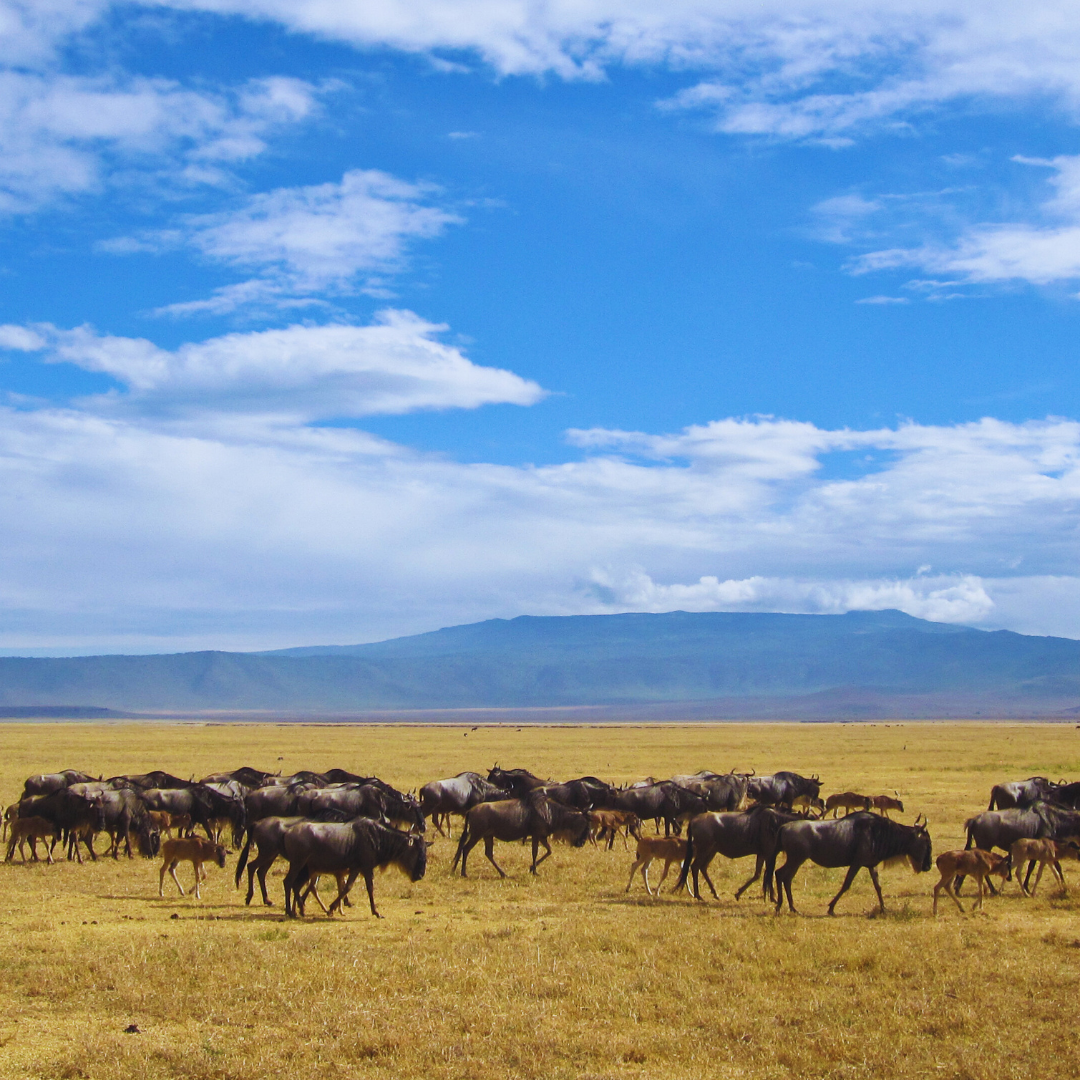
Migratory species also regulate prey populations. Their movements can lead to fluctuations in food availability, which directly affects local animal behavior and population dynamics. An example can be seen in the migration of wildebeests in the Serengeti, which alters grassland health through grazing.
Species Interactions and Predators
Species interactions are often shaped by the timing and routes of migrations. Predators may follow migratory patterns, adapting their hunting strategies accordingly. For example, Arctic foxes track the movements of migratory birds during breeding seasons.
Moreover, competition for resources can intensify when migratory species overlap with resident species. This adjustment influences community structure. The arrival of migratory salmon in rivers impacts both the aquatic environment and land predators, creating a ripple effect throughout the ecosystem.
Conservation and Environmental Changes
Migration patterns are sensitive to environmental changes and threats such as habitat loss and climate change. Changing temperatures can disrupt migration timing, affecting breeding and survival rates. Species relying on specific migratory routes may face extinction if conditions worsen.
Conservation efforts are vital in preserving migratory pathways and habitats. Establishing protected areas ensures safe passage for these species. Effective management of these ecosystems allows for greater resilience against environmental changes and supports the sustainability of both migratory and resident species.
Case Studies of Migratory Species
Various migratory species exhibit unique patterns and behaviors during their long journeys. This section highlights two specific case studies: the caribou, known for their dramatic land migrations, and migratory routes in Wyoming, which serve as critical pathways for different species.
Caribou: Large-Scale Land Migrations
Caribou undertake extensive migrations, often traveling hundreds of miles each year. These journeys are dictated by seasonal changes and the availability of food.
- Migration Timing: They migrate to access lush summer pastures and return to protected calving grounds in the spring.
- Protection from Predators: The migrations help to reduce predation risks as they move in large herds.
Recent studies show that climate change impacts their traditional routes. Altered vegetation and increased human activity may affect their migratory patterns and survival.
Wyoming Migratory Routes
Wyoming serves as an essential corridor for many migratory species, particularly ungulates like elk and mule deer. Migratory routes in this region are critical for seasonal movements between summer and winter habitats.
- Highway Crossings: Many animals face challenges crossing busy roadways, which can lead to accidents. Wildlife crossings are crucial for their safety.
- Habitat Connectivity: Ongoing conservation efforts focus on preserving vital habitats along these routes, ensuring that animals can migrate as needed.
Research has shown that habitat fragmentation significantly affects these migratory paths, emphasizing the need for sustainable land use practices.