
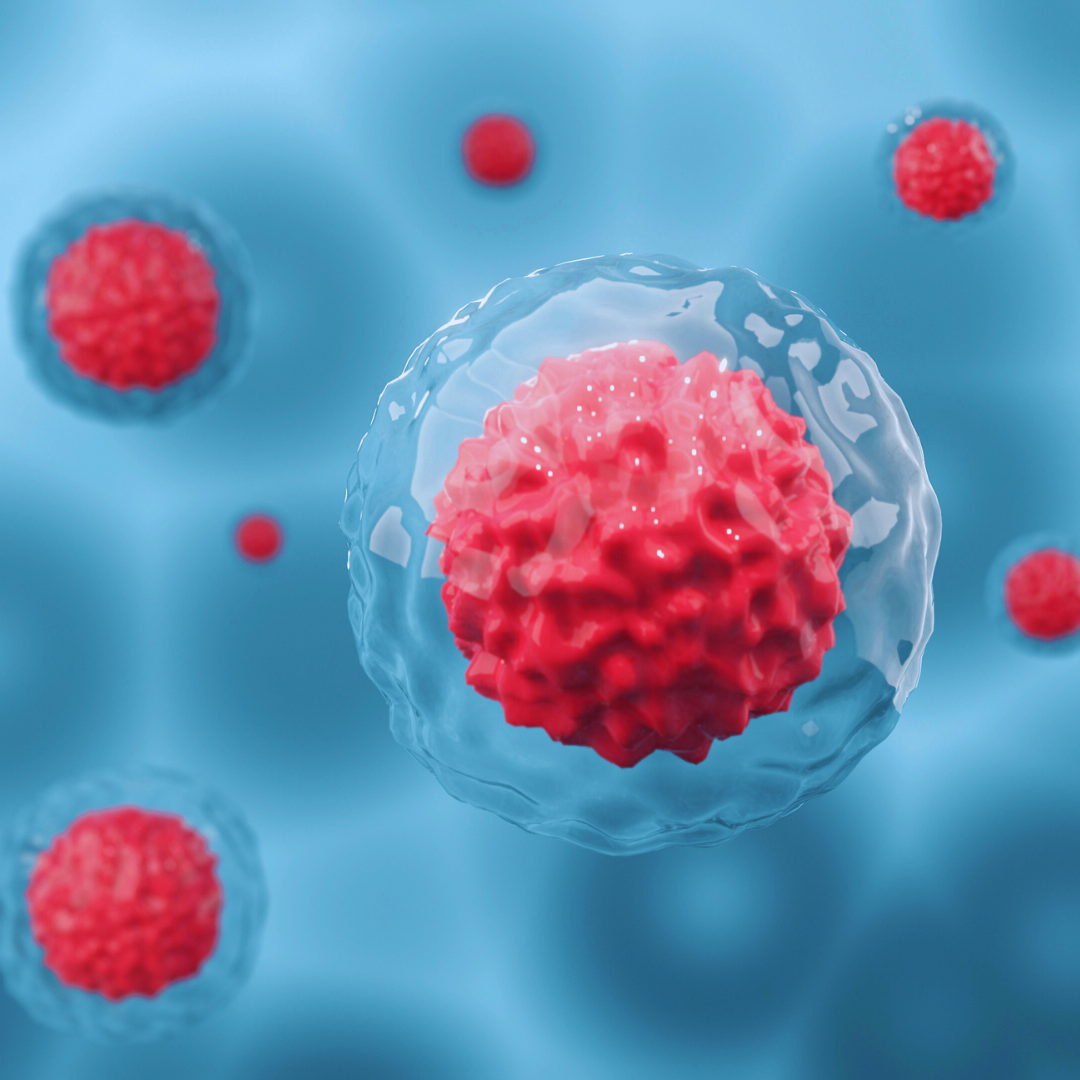
Stem cells play a crucial role in modern medicine, offering groundbreaking potential for treating a variety of ailments. They are the foundation of regenerative medicine, enabling the repair or replacement of damaged tissues and organs. Stem cell research continues to provide insights that enhance understanding of diseases and lead to innovative therapies.
Stem cell therapy has emerged as a key treatment option for conditions such as leukemia, spinal cord injuries, and certain degenerative diseases. By harnessing the unique properties of stem cells, medical professionals can target underlying issues rather than merely alleviating symptoms. This approach is reshaping standards of care and promising improved quality of life for patients.
As the field progresses, ongoing research is essential to unlock further applications and address ethical considerations. The evolving landscape of stem cell therapy highlights its evolving significance in the pursuit of advanced medical solutions.
Understanding Stem Cells and Their Potential
Stem cells represent a unique class of cells capable of self-renewal and differentiation into various cell types. Their potential in medical applications is vast, spanning from regenerative therapies to research in developmental biology.
Types of Stem Cells
Stem cells can be classified into several categories based on their origin and capabilities.
- Embryonic Stem Cells (ESCs): Derived from early embryos, these cells are pluripotent, meaning they can differentiate into nearly any cell type. This property makes them valuable for research and therapy.
- Adult Stem Cells: Found in various tissues, adult stem cells are multipotent, typically differentiating into cell types specific to their tissue of origin. These include hematopoietic stem cells in bone marrow and mesenchymal stem cells, which can create bone, cartilage, and fat.
- Induced Pluripotent Stem Cells (iPSCs): These are adult cells reprogrammed to an embryonic-like state. They have the potential to differentiate into any cell type, making them a focus of current stem cell research.
Mechanisms of Action
Stem cells function through two primary mechanisms: self-renewal and differentiation.
- Self-Renewal: Stem cells can divide and produce more stem cells, maintaining their population. This characteristic is crucial for therapies where a large number of stem cells are needed.
- Differentiation: Stem cells can transform into specialized cells when exposed to certain signals. This process of cell differentiation is essential for tissue repair and regeneration.
Stem cell-based therapies utilize these mechanisms to treat various conditions, including degenerative diseases and injuries. Understanding their operational dynamics aids in the development of effective treatments and advancements in regenerative medicine.
Clinical Applications of Stem Cells
Stem cells play a crucial role in various therapeutic areas, demonstrating potential in regenerative medicine and the treatment of specific diseases. The applications range from stem cell transplantation to innovative cell therapies aimed at improving patient outcomes.
Stem Cell Transplantation and Therapy
Stem cell transplantation is a key application in the treatment of blood-related diseases. This includes procedures like bone marrow transplants, which utilize blood-forming stem cells to restore healthy blood production in patients with leukemia or other blood disorders.
Autologous stem cell transplants involve using the patient’s own stem cells, minimizing rejection risks. Cord blood, derived from umbilical cords, is another source that provides a rich supply of stem cells. This can be crucial for patients without suitable donors.
Clinical trials are underway to evaluate new methods in transplantation, aiming to improve efficacy and reduce complications. These innovative approaches are expanding the possibilities for patients with conditions previously deemed untreatable.
Treating Diseases and Disorders
Stem cells are increasingly investigated for their potential to treat a range of diseases. In neurological conditions like multiple sclerosis and Parkinson’s disease, research focuses on their ability to regenerate damaged tissues and modulate immune responses.
The use of stem cells in cell therapy aims to repair or replace damaged cells. This has opened doors for treating degenerative diseases and improving patients’ quality of life.
Clinical trials continue to assess the effectiveness of various stem cell therapies, providing hope to those affected by chronic conditions. These applications represent significant advancements toward targeted treatments in modern medicine.
Ethical, Legal, and Social Implications
The field of stem cell research raises significant ethical, legal, and social issues that impact its advancement in modern medicine. These implications are crucial for shaping policies and public perceptions about stem cell therapies.
Ethical Considerations in Stem Cell Research
Ethical concerns primarily revolve around the use of embryonic stem cells, as their extraction typically involves the destruction of human embryos. This raises critical questions about the moral status of embryos and whether their potential benefits justify such actions.
Informed consent is another vital aspect. Researchers must ensure that donors fully understand the implications of their contributions. Additionally, there are concerns regarding the commercialization of stem cell treatments. The potential for profit can lead to unethical practices, such as offering unverified therapies that exploit vulnerable patients.
Regulatory Frameworks and Clinical Trials
Regulatory frameworks for stem cell research vary widely across countries. In the United States, the Food and Drug Administration (FDA) oversees clinical trials involving stem cells, ensuring that they meet safety and efficacy standards.
Clinical trials must adhere to strict protocols, including ethical review boards that evaluate both the research design and the consent process. Regulations help protect participants from potential risks associated with experimental treatments. Furthermore, international guidelines emphasize transparency in research practices to foster public trust and confidence in stem cell therapies.
By maintaining robust legal frameworks, stakeholders can support responsible advancements in the field.