
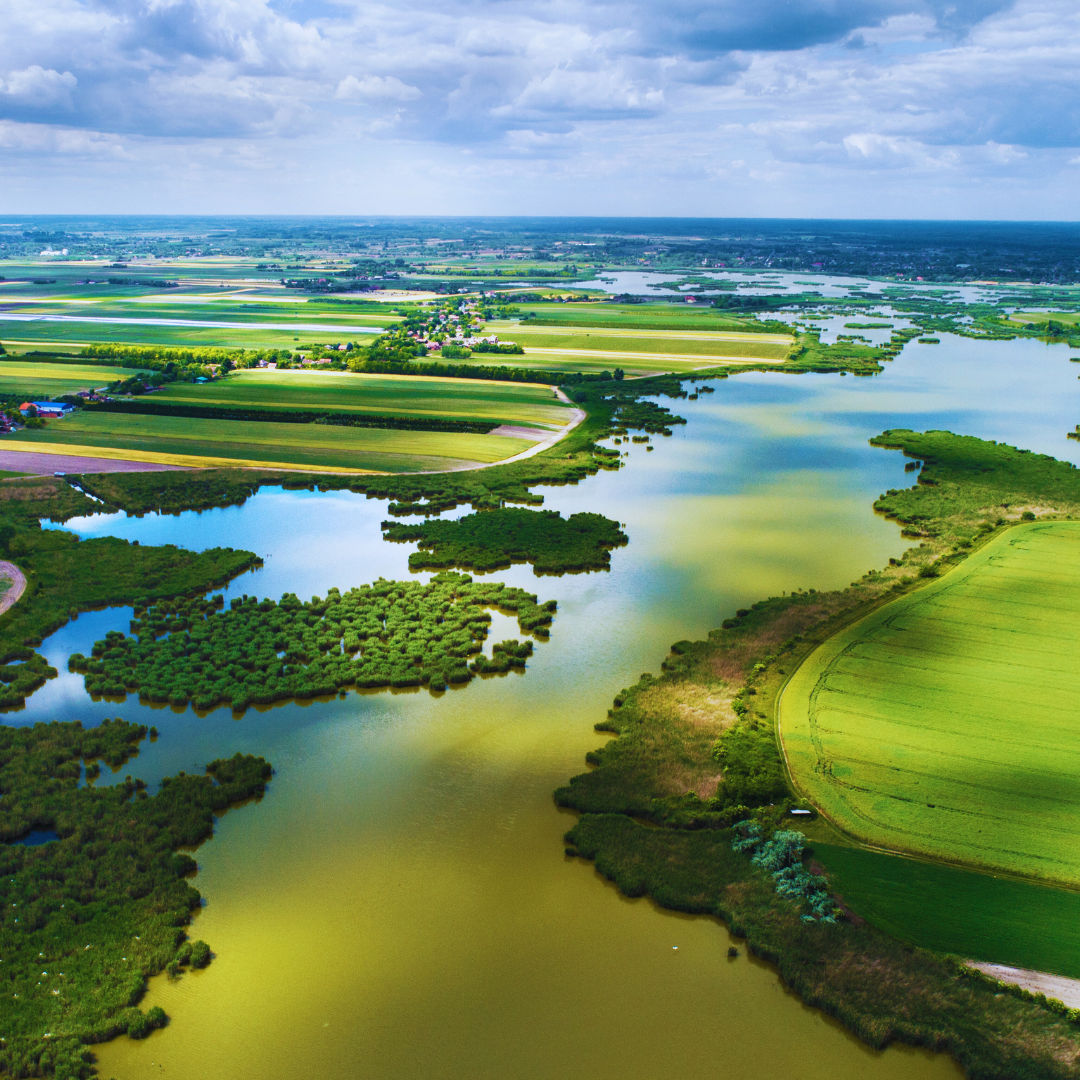
Biodiversity encompasses the variety of life on Earth, including the diversity of species, ecosystems, and genetic variations. The importance of biodiversity cannot be overstated, as it plays a critical role in maintaining ecological balance, supporting food systems, and mitigating climate change. Conservation efforts aimed at protecting this diversity are essential for ensuring the resilience of our planet and the well-being of future generations.
Every organism, no matter how small, contributes to the stability and health of ecosystems. Biodiversity provides vital resources such as food, medicine, and materials, as well as recreational opportunities that enhance human quality of life. By fostering a better understanding of the interconnectedness within biological systems, society can appreciate the value of each species and the necessity for conservation initiatives.
As threats to biodiversity continue to grow, awareness and action become increasingly crucial. Protecting biological diversity not only safeguards the natural world but also secures the resources and services humanity depends on. Engaging in conversations about biodiversity can spark interest and drive the change needed to preserve the planet’s intricate web of life.
Understanding Biodiversity
Biodiversity encompasses the variety of life on Earth, including the different species, genetic variations, and ecosystems. It plays a critical role in sustaining ecosystem functions and provides essential services to humanity.
Defining Biodiversity and Its Components
Biodiversity can be broken down into three main components: species richness, genetic diversity, and ecosystem diversity.
- Species richness refers to the number of different species within a given area. This includes plants, animals, fungi, and microorganisms. Higher species richness often correlates with healthier ecosystems.
- Genetic diversity involves the variation of genes within a species. It allows populations to adapt to changing environments and resist diseases, ensuring long-term survival.
- Ecosystem diversity represents the variety of ecosystems within a particular area, ranging from forests and wetlands to deserts and grasslands. Each ecosystem supports unique biological communities and promotes various ecological processes.
Measuring Biodiversity
Measuring biodiversity is essential for evaluating ecosystem health and informing conservation efforts. Several methods exist to assess biodiversity, including:
- Species Inventory: Cataloging all species in an area helps determine species richness. This process is often time-consuming and requires extensive fieldwork.
- Genetic Analysis: Techniques such as DNA sequencing can assess genetic variation within and between species. This is crucial for understanding how species adapt to environmental changes.
- Ecosystem Assessments: Evaluating ecosystem diversity involves documenting different habitats and their respective ecological functions. This often includes analyzing the interactions between species and their environments.
These methods contribute to a comprehensive understanding of biodiversity and its significance.
Threats to Biodiversity
Various factors contribute to biodiversity loss, threatening ecosystems and the species within them. Key threats include habitat destruction, climate change, invasive species, and pollution. Each of these issues has significant implications for the natural world.
Habitat Destruction and Fragmentation
Habitat destruction occurs when natural areas are converted for human use, such as agriculture or urban development. This loss diminishes the living space available for many species, leading to population declines and local extinctions.
Fragmentation occurs when large habitats are divided into smaller, isolated patches. Species may struggle to find mates or resources in these fragmented areas, resulting in decreased genetic diversity and increased vulnerability. Deforestation is a prime example, significantly impacting forest-dwelling species.
Climate Change Impacts
Climate change poses severe risks to biodiversity. Rising temperatures alter habitats, making them unsuitable for many species. For instance, polar bears depend on sea ice that is diminishing due to warming climate.
Changes in precipitation patterns disrupt ecosystems, affecting water availability and food sources. Species that cannot adapt quickly face an increased risk of extinction. Coral reefs, which support diverse marine life, are particularly susceptible to warming oceans, leading to bleaching events.
Invasive Species and Overexploitation
Invasive species threaten native biodiversity by outcompeting, preying on, or introducing diseases to native species. These invaders often thrive in disturbed environments, further undermining ecosystem integrity. For example, the introduction of non-native plants can displace local flora, affecting entire habitats.
Overexploitation occurs when species are harvested faster than they can reproduce. This is common in fisheries, with overfishing endangering fish populations and disrupting marine ecosystems. Unsustainable hunting practices also lead to significant declines in wildlife populations.
Pollution and Environmental Change
Pollution impacts biodiversity through various channels, including air, water, and soil contamination. Pesticides, for example, contribute to the decline of pollinators like bees, which are vital for plant reproduction.
Additionally, nutrient runoff from agricultural activities can lead to eutrophication, creating dead zones in aquatic systems. These zones lack oxygen, making them inhospitable for marine life. Heavy metals and plastics also accumulate in ecosystems, impairing species’ health and reproductive success.
Environmental changes such as habitat degradation further exacerbate these issues, highlighting the urgent need for coordinated conservation efforts to protect biodiversity.
The Role of Biodiversity in Ecosystem Services
Biodiversity plays a crucial role in sustaining ecosystem services that are essential for both environmental health and human prosperity. These services include supporting healthy ecosystems, enhancing human well-being, and providing significant economic benefits.
Supporting Healthy Ecosystems
Biodiversity enhances ecosystem resilience, allowing it to withstand environmental changes and disturbances. A variety of species contributes to more efficient nutrient cycling, which is vital for soil fertility and plant growth. Healthy ecosystems also regulate climate, purify water, and control pests naturally.
Different species fulfill specific roles within their habitats, forming intricate networks that sustain life. For example, pollinators like bees are essential for food crop production, while predatory species help maintain pest populations. If you encounter a hive in an urban area, contacting a Valleywide Bee Removal team ensures safe, humane extraction and relocation, protecting both people and pollinator populations. The loss of any species can disrupt these processes, leading to a decline in ecosystem functionality.
Beyond natural habitats, residential landscapes also play a significant role in supporting local biodiversity and ecological health. Homeowners can contribute to this balance by choosing Florida-adapted grass varieties that thrive in the local climate while requiring fewer chemical interventions.
Professional sod and sprinkler installation ensures that these green spaces are established correctly, promoting deep root systems and efficient water usage. By integrating well-managed turf with native plantings, property owners create urban corridors that support various beneficial insects and birds. This holistic approach to yard management not only enhances property value but also strengthens the overall resilience of the surrounding environment.
Biodiversity and Human Well-Being
Biodiversity directly impacts human well-being by providing essential resources and services. It ensures a diverse food supply, contributing to nutrition and food security. Many medicines are derived from natural sources, with various plants and animals offering potential health benefits.
Access to a variety of natural spaces also promotes mental and physical health. Green spaces provide recreational opportunities and contribute to a sense of community. The connection between biodiversity and well-being highlights the necessity of conserving ecosystems for future generations.
Economic Value of Biodiversity
The economic importance of biodiversity cannot be overstated. Healthy ecosystems contribute to various industries, including agriculture, fisheries, and tourism. These sectors rely on biodiversity for product diversity and sustainability.
For example, diverse food crops increase resilience against diseases and climate variability, ensuring stable food supplies. Additionally, ecosystems provide raw materials for countless products. Protecting biodiversity can lead to sustainable practices that bolster local economies while maintaining environmental integrity.
Conservation and Sustainable Practices
Conservation and sustainable practices are essential for protecting biodiversity and ensuring the survival of endangered species. Effective strategies encompass global efforts, habitat restoration, responsible resource use, and the involvement of local communities.
Conservation Efforts Worldwide
Conservation efforts span across various organizations and countries, focusing on preventing extinction and protecting endangered species. Notable initiatives include the IUCN Red List, which monitors species’ status and aids in prioritizing conservation action.
Programs like the Convention on Biological Diversity encourage nations to develop national strategies. Countries also establish frameworks for managing protected areas, which safeguard crucial habitats. Global partnerships often use citizen science, enabling individuals to contribute data for research while raising awareness about biodiversity loss.
Habitat Restoration and Protected Areas
Habitat restoration is fundamental for reclaiming ecosystems degraded by human activity. Techniques often involve reforestation and wetland restoration, enhancing biodiversity.
Protected areas, such as national parks and reserves, provide sanctuaries for native species. These zones prevent habitat destruction and promote ecological balance. Effective management of these areas includes engaging local communities, ensuring they benefit from conservation efforts.
Marine protected areas, especially for coral reefs, play a vital role in preserving marine biodiversity. They support fisheries and enhance resilience to climate change impacts.
Sustainable Use of Biodiversity
Sustainable use of biodiversity promotes practices that support ecological health while allowing for resource extraction. It balances economic needs with environmental protection.
Examples include sustainable forestry, which maintains forest ecosystems while providing timber. Similarly, aquatic resource management ensures fisheries remain viable without depleting fish stocks.
Certification programs, like the Marine Stewardship Council, help consumers choose sustainably sourced products. Such measures contribute to preserving habitats and wildlife while supporting local economies.
Role of Indigenous Peoples and Local Communities
Indigenous peoples and local communities are critical in biodiversity conservation. They often possess traditional knowledge vital for managing local ecosystems sustainably.
Collaborative conservation efforts include creating co-management strategies that empower these groups. Their participation achieves better conservation outcomes and respects cultural practices.
Collective action, facilitated by indigenous governance systems, is effective in protecting ecosystems. Their deep-rooted connection with nature ensures that conservation strategies are culturally relevant and ecologically sound.