
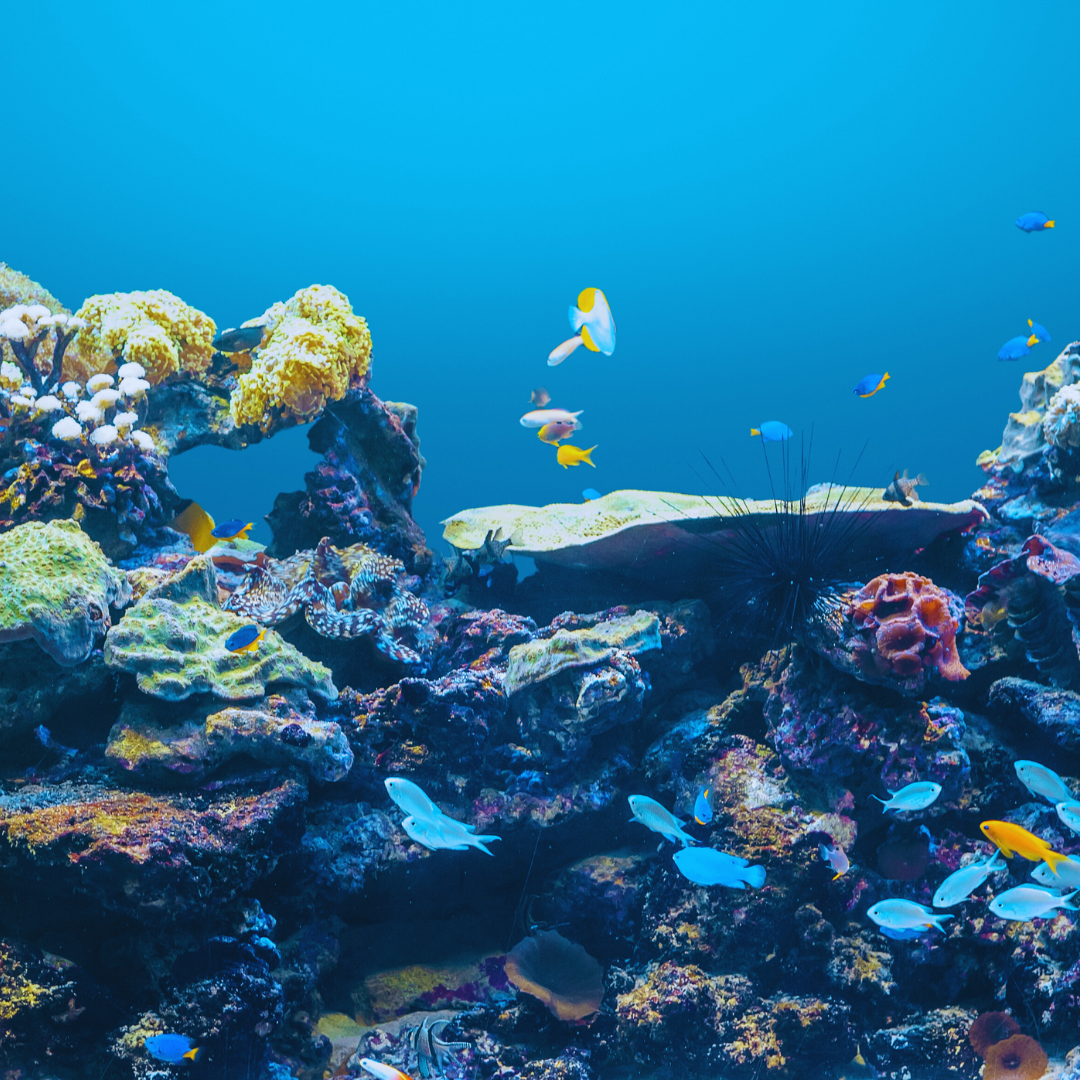
Marine biology is the study of the intricate ecosystems found within the world’s oceans, encompassing the diverse life forms that inhabit these vast waters. This field not only uncovers the complexities of marine life but also plays a crucial role in conservation efforts aimed at protecting these vital environments. The ocean covers over 70% of the Earth’s surface, making its exploration essential for understanding climate change, biodiversity, and the overall health of our planet.
Scientists in marine biology investigate various species, from the smallest plankton to the largest whales. Their research provides insights into how these organisms interact with each other and their habitats. By studying marine ecosystems, they can identify the impacts of human activity and devise strategies to promote sustainability and conservation.
The fascinating world of marine biology offers a glimpse into life beneath the waves, highlighting the importance of oceans in maintaining ecological balance. Readers will discover how ongoing research helps protect marine environments and the species that depend on them, illustrating the interconnectedness of life on Earth.
Fundamentals of Marine Biology
Marine biology explores the complex interactions within ecosystems and the diverse organisms that inhabit the seas. It encompasses the study of ocean environments and the unique life forms they support.
Marine Ecosystems and Biodiversity
Marine ecosystems include various environments such as coral reefs, estuaries, and open ocean waters. Each ecosystem hosts a unique set of organisms adapted to its specific conditions.
Biodiversity is a key characteristic of marine ecosystems. High biodiversity fosters resilience, allowing ecosystems to withstand changes like climate fluctuations. For instance, coral reefs, often called the “rainforests of the sea,” support thousands of species, including fish, invertebrates, and seaweeds.
Factors such as depth, light availability, and salinity influence the distribution and variety of marine life. These ecosystems demonstrate intricate food webs and nutrient recycling processes essential for ecological balance.
Roles and Types of Marine Organisms
Marine organisms can be categorized into three main groups: producers, consumers, and decomposers.
Producers, such as phytoplankton and seaweed, convert sunlight into energy through photosynthesis. They form the base of the marine food web, providing essential nutrients for other organisms.
Consumers include various fish, marine mammals, and invertebrates that either graze on producers or prey on other consumers. For example, dolphins and sharks play vital roles in maintaining population balance within their habitats.
Decomposers, like bacteria and fungi, break down dead organic matter, returning nutrients to the ecosystem. This process is crucial for nutrient cycling and overall ecosystem health.
Oceanography and Marine Environments
Oceanography is the study of the ocean’s physical, chemical, and biological properties. It encompasses aspects such as currents, waves, and salinity, which shape marine environments.
Key oceanographic features include ocean currents, which influence climate patterns and nutrient distribution. Thermohaline circulation is essential for regulating temperatures across the globe.
Marine environments can vary significantly. For example, coastal areas teeming with life contrast sharply with the vast, nutrient-poor open ocean. Estuaries act as crucial nurseries, where fresh and saltwater meet, supporting diverse species and enhancing productivity.
Understanding oceanography and marine environments is vital for conservation efforts. Protecting these ecosystems ensures the survival of countless marine organisms and the services they provide to humanity.
Human Impact on Marine Life
Human activities significantly affect marine ecosystems, contributing to pollution, habitat destruction, and changes in climate. These elements disrupt the balance of ocean life, leading to long-term consequences for marine species and habitats.
Ocean Pollution and Habitat Destruction
Pollution from plastics, chemicals, and oil spills poses severe threats to marine life. Ingested plastics can harm creatures from small fish to large mammals, affecting their health and survival rates. Toxic chemicals often lead to bioaccumulation in the food chain, impacting predators and humans alike.
Habitat destruction occurs through coastal development, industrial activities, and shipping. Coral reefs, which support diverse marine species, face damage from ocean dumping and anchor impacts. Mangroves and seagrass beds also suffer from urban expansion, reducing vital nursery habitats for many fish species.
Overfishing and Bycatch Issues
Overfishing targets popular species such as tuna and cod, leading to population declines. This practice disrupts the ecological balance, as many fish are left without predators or prey. Unsustainable fishing methods often result in bycatch, where non-target species—including dolphins, turtles, and seabirds—are caught unintentionally, causing further decline in these populations.
Regulations and fishing quotas aim to alleviate these issues, but enforcement remains challenging. The demand for seafood continues to rise, pushing fishermen to exploit resources beyond sustainable limits. Responsible fishing practices are crucial for the health of marine ecosystems.
Climate Change Effects on the Oceans
Climate change triggers significant changes in ocean conditions, impacting marine ecosystems. Increasing sea temperatures lead to coral bleaching, where stressed corals expel the symbiotic algae they rely on, often resulting in mass reef die-offs.
Ocean acidification, another consequence of climate change, occurs as oceans absorb excess carbon dioxide. Lower pH levels affect calcifying organisms such as shellfish and corals, which struggle to build their shells and skeletons. These changes threaten not only marine biodiversity but also vital fisheries and coastal communities reliant on healthy ocean ecosystems.
Conservation and Restoration Efforts
Marine ecosystems are under significant threat from human activities, prompting conservation and restoration initiatives. These efforts aim to protect biodiversity, enhance ecological balance, and improve climate regulation.
Marine Conservation and Protected Areas
Marine Conservation focuses on the sustainable management of ocean resources. Marine Protected Areas (MPAs) play a crucial role in these efforts by safeguarding critical habitats from overfishing, pollution, and habitat destruction.
Key features of MPAs include:
- No-Take Zones: Areas where all extractive activities are prohibited.
- Restricted Access Zones: Limited human access to protect sensitive ecosystems.
- Buffer Zones: Adjacent areas to minimize human impact.
These measures enhance biodiversity and allow ecosystems to recover, ensuring a more resilient marine environment. Effective management of MPAs relies on stakeholder cooperation, including local communities, governments, and scientists.
Restoration of Coral Reefs
Coral reefs are vital for marine biodiversity, yet they face serious threats from climate change and ocean acidification. Restoration efforts focus on rehabilitating damaged reefs through methods such as coral gardening and artificial reefs.
Important components of coral restoration include:
- Coral Fragmentation: Cultivating coral fragments in nurseries for later transplantation.
- Resilient Species: Selecting species that can withstand environmental stressors.
- Monitoring and Management: Continual assessment to track recovery and adjust strategies.
By enhancing coral health, these initiatives not only support marine life but also contribute to coastal protection and tourism, benefiting local economies.