
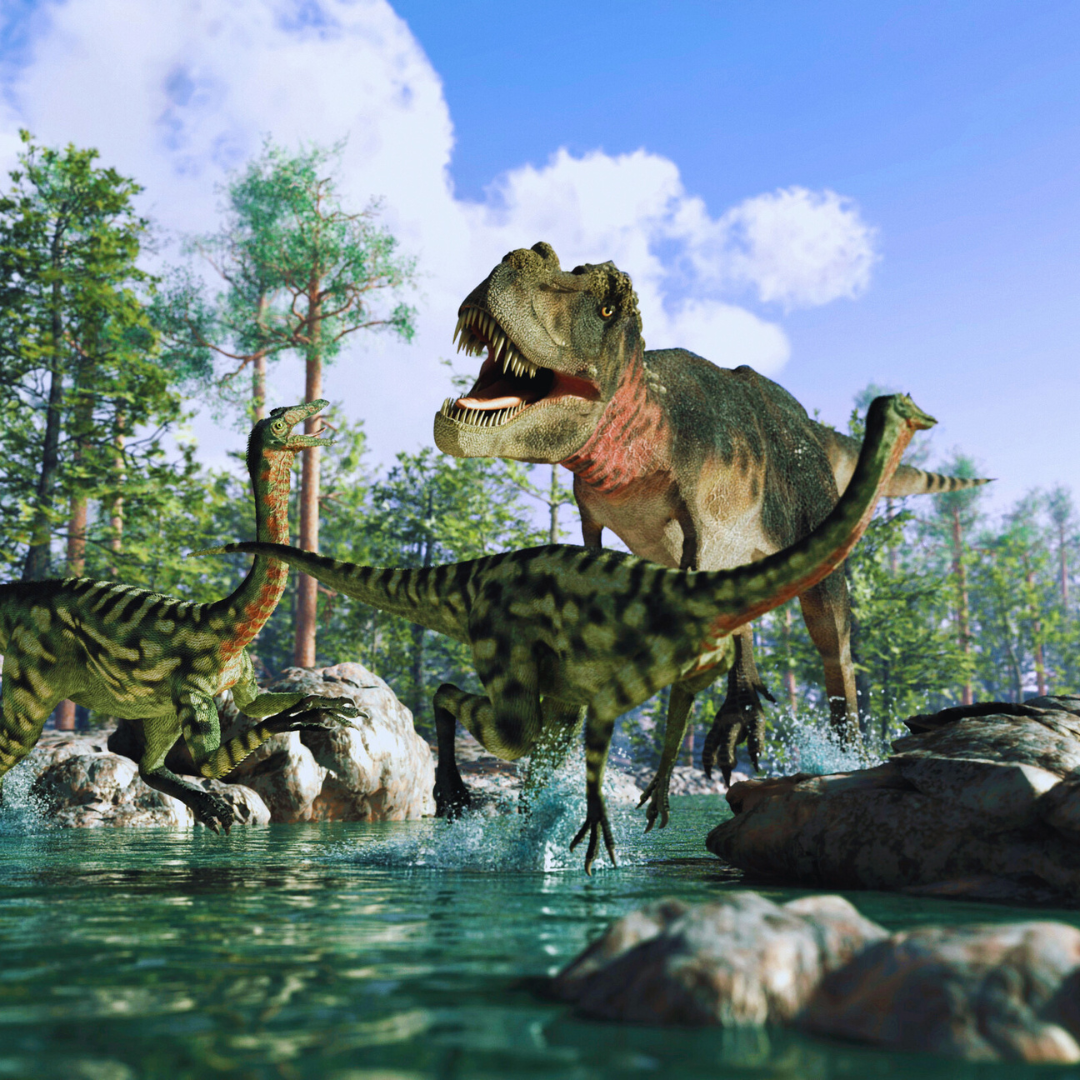
Dinosaurs, the magnificent creatures that once ruled the Earth, continue to fascinate people of all ages. Some crazy dinosaur facts reveal unique adaptations and behaviors that seem almost unbelievable, making their existence even more intriguing. From feathered giants to the peculiar way they often lived, these facts challenge common perceptions and spark curiosity.
The variety among dinosaur species is astounding, with sizes ranging from the small, chicken-sized Compsognathus to the towering Argentinosaurus. Each species had distinct traits that contributed to its survival. Delving into these details uncovers the incredible diversity of life that has inhabited our planet.
Exploring the facts about dinosaurs not only enriches knowledge but also connects readers to the wonders of prehistoric life. These remarkable creatures left behind mysteries that continue to ignite imaginations. Curious minds are always eager to learn more about what makes these animals truly exceptional.
Classifying Dinosaurs
Dinosaurs are categorized based on specific characteristics into major groups. This classification aids in understanding their evolutionary relationships and differences. Two primary clades, Saurischia and Ornithischia, form the basis of dinosaur classification.
Saurischia vs. Ornithischia
Saurischia, meaning “lizard-hipped,” includes theropods and sauropodomorphs. Theropods were primarily carnivorous andincludede well-known species like Tyrannosaurus rex and Velociraptor. Many theropods evolved into birds.
Ornithischia, translated to “bird-hipped,” comprises various herbivorous dinosaurs, such as Stegosaurus and Triceratops. Despite the name, these dinosaurs are not closely related to modern birds. The hips of ornithischians are structured differently than those of their lizard-hipped counterparts, indicating distinct evolutionary paths.
Theropods and Behemoths
Theropods are a subgroup of Saurischia and are inherently bipedal. They possess sharp claws and teeth adapted for a carnivorous diet. Examples include Allosaurus and Spinosaurus.
Behemoths are large sauropods within Saurischia. They were notable for their massive size and long necks, allowing them to reach high vegetation. Examples include Brachiosaurus and Argentinosaurus. Their adaptations for a herbivorous diet reflect extensive evolutionary changes over millions of years.
Feathered Species
Many theropod dinosaurs displayed feathers, challenging traditional views on the distinction between dinosaurs and birds. Evidence shows that feathers may have initially evolved for insulation or display rather than flight. Important examples include the Velociraptor, which had a lightweight body structure ideal for agility.
Research indicates that feathers could have provided thermoregulation in smaller species. This evolutionary development underscores the close relationship between modern birds and their theropod ancestors, prompting ongoing studies into the origins and functions of feathers across various dinosaur species.
Evolutionary Mysteries
The evolution of dinosaurs presents intriguing questions about their origins, adaptations, and the factors that contributed to their extinction. These mysteries continue to captivate paleontologists and enthusiasts alike.
Origin of Dinosaurs
Dinosaurs originated during the late Triassic period, around 230 million years ago. They evolved from a group of reptiles known as archosaurs.
Key characteristics of early dinosaurs included:
- Bipedal locomotion: Allowed for agility and speed.
- Porous bones: Made them lighter and contributed to mobility.
The precise factors that triggered dinosaur evolution are still debated. Climate changes and environmental shifts may have played significant roles. The emergence of different dinosaur lineages set the stage for a diverse array of species in subsequent eras.
Adaptive Traits Over Time
Dinosaurs displayed remarkable adaptive traits that enabled them to thrive in various environments.
Examples include:
- Feathers and flight: Some theropods developed feathers, leading to the eventual evolution of birds.
- Size variation: Dinosaurs ranged from the small, agile Compsognathus to massive sauropods like Argentinosaurus.
These adaptations were driven by competition, predation, and changing climates. As dinosaurs spread, they occupied ecological niches that showcased their versatility and resilience.
Mass Extinction Theories
The extinction of dinosaurs approximately 66 million years ago remains a hotly debated topic among scientists.
Several theories propose explanations, including:
- Asteroid impact: A large asteroid struck the Yucatán Peninsula, creating the Chicxulub crater. This event caused massive fires and a “nuclear winter,” disrupting ecosystems.
- Volcanic activity: The Deccan Traps in India released vast amounts of volcanic gases, leading to climate change.
Both theories suggest that a combination of factors contributed to the extinction event. While large dinosaurs disappeared, some smaller species, particularly early birds, managed to survive and eventually evolved into modern avians.
Dietary Habits
Dinosaurs had diverse dietary habits that varied significantly among different species. The classification of dinosaurs into carnivores, herbivores, and omnivores reveals insights into their adaptations and ecological roles.
Carnivores
Carnivorous dinosaurs were primarily meat-eaters. Their teeth were sharp and designed for tearing flesh, adapted for hunting and scavenging. Famous examples include Tyrannosaurus rex, which had powerful jaws and strong bite force.
Many carnivorous dinosaurs, like Velociraptor, exhibited hunting strategies that involved pack behavior. They often targeted smaller or weaker prey. Some even had adaptations, such as speed and agility, to pursue prey effectively.
Their predatory nature played a significant role in maintaining the balance of their ecosystems. By controlling herbivore populations, carnivores ensured diverse plant species could thrive, contributing to ecological stability.
Herbivores
Herbivorous dinosaurs primarily consumed plants. They had flat teeth ideal for grinding leaves and vegetation. Notable examples include the long-necked Brachiosaurus, which foraged on tall trees, and Stegosaurus, which fed on lower-growing plants.
Many herbivores had specialized adaptations. Some, like Triceratops, possessed strong beaks for clipping vegetation. Others, like Ankylosaurus, had robust bodies and defensive traits to protect themselves from predators.
The size of herbivorous dinosaurs varied, with some reaching enormous lengths. Their diet required large quantities of food, leading to grazing habits that shaped the environments they inhabited.
Omnivores and Insectivores
Omnivorous dinosaurs consumed both plants and animals. This adaptability allowed them to thrive in various environments. A well-known example is Oviraptor, which likely fed on eggs and small animals as well as plant material.
Insectivorous dinosaurs primarily targeted insects. They had beaks or jaws suitable for catching small prey. Some small theropods exhibit such traits, indicating a diet that included insects to supplement their nutrition.
This dietary flexibility provided advantages in resource-scarce environments. By incorporating diverse food sources, these dinosaurs could adapt to changing conditions, enhancing their survival and ecological impact.
Behavioral Insights
Exploring the behavioral patterns of dinosaurs reveals their complex social structures, territorial instincts, and unique reproductive behaviors. Each aspect provides a clearer understanding of how these creatures interacted with their environment and each other.
Social Behavior
Dinosaurs exhibited a variety of social behaviors, ranging from solitary living to forming herds. Species like Hadrosaurs often traveled in groups, which likely provided advantages in protection and foraging. Observations of dinosaur trackways show patterns indicating group movement, suggesting social interaction and cooperation among individuals.
In contrast, larger predators like Tyrannosaurus rex probably hunted alone or in pairs, relying on stealth and strength. Fossil evidence of nesting sites reveals some species engaged in communal nesting, enhancing the survival of their young through collective care.
Territorial Claims
Territoriality among dinosaurs varied greatly, influenced by species and environmental factors. Herbivorous dinosaurs often had home ranges that they patrolled and defended against rivals. For example, Triceratops likely established territories using displays of their impressive horns and frills to deter other males.
Predatory dinosaurs displayed different territorial behaviors. Evidence from fossilized bite marks suggests fights over territory were common. Large dinosaurs likely utilized vocalizations or physical displays to assert dominance and establish boundaries.
Reproductive Rituals
Reproductive behaviors in dinosaurs included elaborate courtship displays and nesting practices. Mating rituals likely involved visual signals or vocalizations to attract partners. Fossils of Troodon indicate they may have engaged in complex courtship behaviors, potentially similar to modern birds.
Nesting sites provide insight into how dinosaurs cared for their young. Many species, such as Oviraptor, demonstrated parental investment through brood guarding. Fossilized eggs often cluster together, suggesting communal nesting, with adults taking turns protecting the nests.
Physiological Anomalies
Dinosaurs exhibited an array of physiological anomalies that contributed to their unique adaptations and ecological success. These traits varied across species and often provided insights into their behaviors, predatory tactics, and evolutionary history.
Gigantism in Sauropods
Sauropods are well-known for their immense size, with some species weighing up to 100 tons and reaching lengths of over 100 feet. Gigantism in these dinosaurs is attributed to several factors, including their skeletal structure, efficient metabolism, and herbivorous diet.
Their long necks enabled them to reach high vegetation, while their large body mass was protected from predators. Some theories suggest that the expansive size may have also helped in thermoregulation, allowing them to maintain body temperature more effectively in varying climates.
Armored Dinosaurs
Several dinosaurs, such as Ankylosaurus and Stegosaurus, were notable for their defensive adaptations, featuring robust armor plating and spiked tails. These adaptations served as effective protection against predators and competitors in their environments.
The unique body structures included bony plates embedded in the skin, which helped provide both physical defense and display features. Some species even developed tail clubs capable of delivering powerful strikes, showcasing diverse strategies for survival in a predatory landscape.
Unique Sensory Abilities
Dinosaurs demonstrated exceptional sensory adaptations, enhancing their interaction with the environment. Some species, like the theropods, had keen eyesight, which may have included color vision, allowing them to detect predators and prey effectively.
Others, such as the hadrosaurs, had complex ear structures that likely enabled them to hear low-frequency sounds, facilitating communication. Such sensory capabilities not only contributed to their survival but also enriched their social behaviors within diverse habitats.
Fossilization Process
Fossilization is the method through which organic remains are preserved in sedimentary rock. Various processes contribute to the formation of fossils, along with methods to discover and date them.
Formation of Fossils
Fossil formation typically begins when an organism dies. Rapid burial in sediment, such as mud or sand, protects the remains from scavengers. Over millions of years, layers of sediment build-up, applying pressure.
There are several ways fossils can form:
- Permineralization: Minerals seep into bones and tissues, replacing organic material.
- Cast and mold: An organism leaves an imprint, which hardens into a cast when filled with sediment.
- Amber fossilization: Insects and small animals can become trapped in tree resin, hardening into amber.
Each method provides a unique snapshot of prehistoric life.
Paleontological Discoveries
Paleontologists undertake significant fieldwork to uncover fossils. Locations such as sedimentary rock formations or former riverbeds are prime excavation sites. Discoveries can include entire skeletons or isolated bones.
Analysis of fossilized remains reveals vital information about dinosaur behavior, habitat, and ecology:
- Mesozoic Era fossils: These provide insights into different dinosaur species.
- Trace fossils: Footprints or nest sites offer evidence of behavior.
These findings contribute to the understanding of evolutionary biology.
Dating Techniques
Dating techniques are essential for establishing the timeline of fossils. Two primary methods are used:
- Relative dating: This method determines the age of fossils based on their position in rock layers. Older layers lie beneath newer layers.
- Radiometric dating: This technique measures radioactive isotopes’ decay, providing a more precise age. Carbon dating is common for more recent fossils, while uranium lead is used for much older specimens.
Both techniques help construct a clearer timeline of prehistoric life.
Habitats and Geography
Dinosaurs inhabited a wide range of environments across the globe. Their distribution was influenced by continental drift, climatic conditions, and migration patterns observed over millions of years.
Continental Distribution
Dinosaurs thrived on every continent, with fossil evidence found in North America, South America, Europe, Asia, Africa, Australia, and Antarctica. The Pangea supercontinent, which existed during the late Paleozoic and early Mesozoic eras, allows researchers to understand their broad distribution.
After Pangea broke apart, isolation led to regional diversity. For example, the arid climates of North America supported large sauropods, while lush forests in Asia were home to smaller, herbivorous dinosaurs like Protoceratops. Different geological formations also created unique habitats, influencing the evolution of species in separate regions.
Climatic Influence on Lifestyle
Climate played a crucial role in shaping dinosaur lifestyles. Various species adapted to their specific environments, whether they were arid, temperate, or tropical.
Dinosaurs like the Therizinosaurus thrived in warm, forested areas, allowing them to exploit a diet rich in foliage. Conversely, species inhabiting cooler climates, such as the Hadrosaurs, likely adapted by migrating to warmer regions during harsh seasons. Climate shifts during the Mesozoic era also influenced food availability and reproductive strategies, further defining their way of life.
Migration Patterns
Migration was an essential behavior for many dinosaur species, driven by seasonal changes and food availability. Fossil records reveal evidence of herding and movement patterns, indicating social structures.
Long-distance migrations were often observed in herbivorous dinosaurs like the Diplodocus, which traveled in groups to access better feeding grounds. Predator species may have also followed migratory herbivores, reflecting interdependent relationships in ecosystems. These patterns underscore the dynamic nature of dinosaur habitats in response to geographic and climatic changes.
Dinosaur Extinction
The extinction of dinosaurs around 66 million years ago is attributed to several significant events. The leading theories include an asteroid impact, volcanic activity, and climate change, each contributing to a catastrophic decline in dinosaur populations.
Asteroid Impact Hypothesis
The asteroid impact hypothesis suggests that a massive asteroid struck the Earth near the present-day Yucatán Peninsula in Mexico. This event created the Chicxulub crater, measuring over 180 kilometers in diameter.
The impact would have released enormous energy, equivalent to billions of atomic bombs. Dust and debris released into the atmosphere likely blocked sunlight, leading to a dramatic drop in temperatures. The resulting “nuclear winter” could have devastated ecosystems, disrupting food chains and contributing to the extinction of roughly 75% of Earth’s species, including all non-avian dinosaurs.
Volcanic Activity
Another significant factor in dinosaur extinction was massive volcanic activity in what is now India, known as the Deccan Traps. This volcanic activity released vast amounts of lava and gases, including sulfur dioxide and carbon dioxide, into the atmosphere.
These emissions contributed to acid rain and global cooling. The long-term impact on the climate could have resulted in inhospitable conditions for many species. Changes in flora due to altered environments disrupted the dinosaurs’ habitats and food sources, exacerbating their decline.
Climate Change
Climate change during the Late Cretaceous period also played a vital role. As global temperatures fluctuated, it affected sea levels and vegetation patterns.
Increased temperatures resulted in shifting habitats and the loss of certain ecosystems. Dinosaurs that depended on specific climates faced challenges in adapting to rapid environmental changes. Species that could not migrate or adapt ultimately succumbed to these harsh conditions, further preventing the survival of dinosaurs.
Modern Descendants
Modern birds represent a direct lineage from theropod dinosaurs, showcasing unique evolutionary traits. Additionally, studying dinosaur genetics reveals how their legacy continues in many forms today.
Birds as Living Dinosaurs
Birds are classified as avian dinosaurs and are the only existing lineage of theropods. Their similarity to dinosaurs can be seen in various anatomical features, such as hollow bones, specific pelvic structures, and feathers.
Notably, studies of birds like the Velociraptor have highlighted shared traits; for example, both have a similar bone structure in the hand, suggesting a common ancestor.
Birds also exhibit behaviors believed to be inherited from their dinosaur ancestors, such as nesting and specific vocalizations. This connection emphasizes the understanding that birds are not just descendants but living representatives of a long-extinct group.
Genetic Legacy
Evidence from paleogenomics reveals that genetic material from dinosaurs still exists in modern birds. Specific genes responsible for feather formation, flight, and coloration in birds can be traced back to their dinosaur ancestors.
Research into the DNA of the Tyrannosaurus rex indicates that significant portions of its genome are reflected in bird DNA today.
Furthermore, recent advancements in genetic engineering may allow scientists to explore the possibility of resurrecting traits from dinosaurs. This approach can potentially lead to insights into how dinosaurs lived and adapted to their environments.
The genetic continuity between dinosaurs and birds provides a fascinating lens through which to study evolution and biological heritage.