
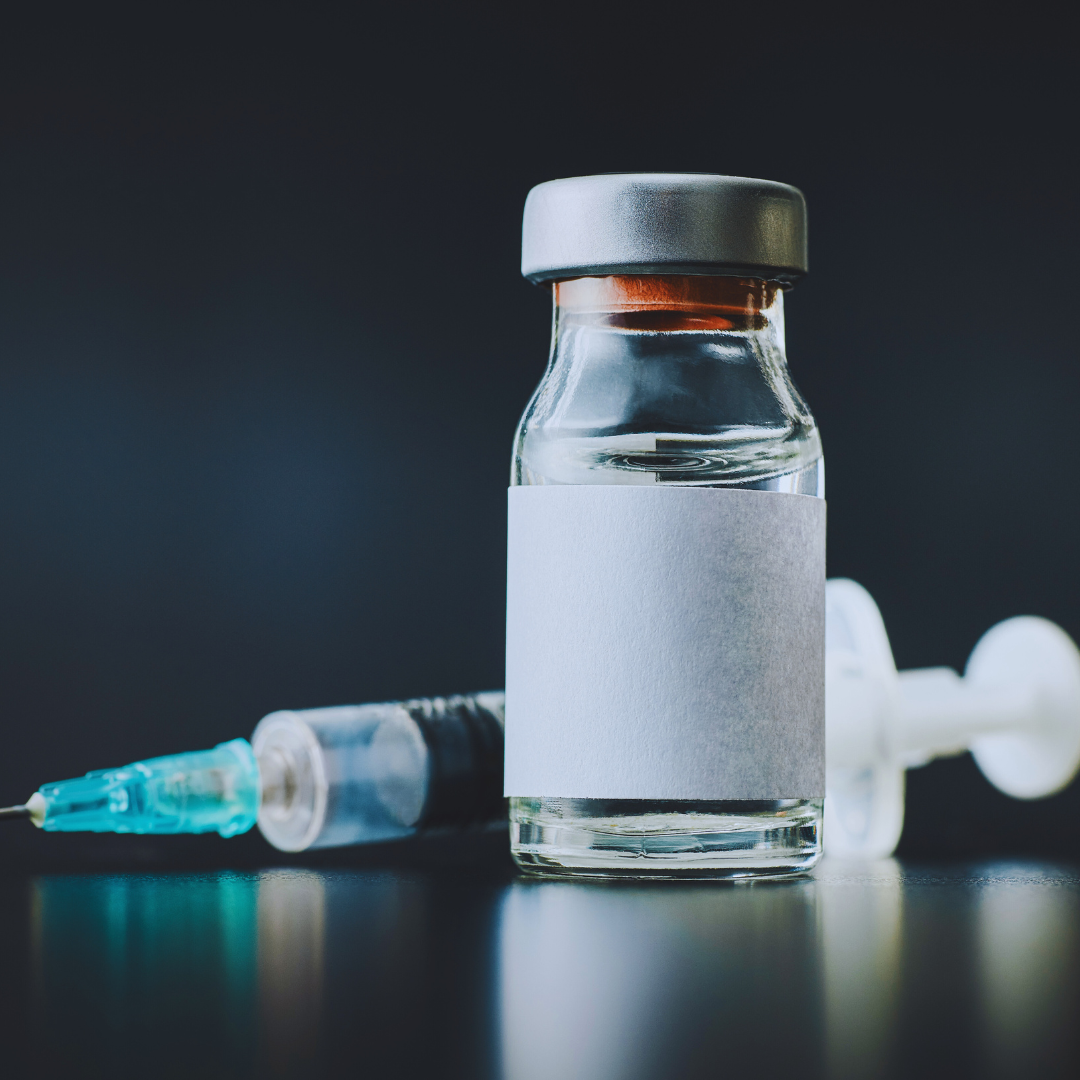
Vaccines play a vital role in protecting individuals and communities from infectious diseases. They work by stimulating the immune system to recognize and fight specific pathogens, creating long-lasting immunity without causing the disease itself. This process not only safeguards the vaccinated person but also contributes to the health of the wider community by reducing the spread of infections.
Understanding how vaccines function highlights their importance in public health. When a person is vaccinated, their body learns to recognize harmful viruses or bacteria, enabling a quicker and more effective response if exposed in the future. This mechanism creates a protective barrier that diminishes the likelihood of outbreaks and transmission.
The significance of vaccines extends beyond individual health, impacting herd immunity as well. By increasing the number of immune individuals within a population, vaccines help protect those who cannot be vaccinated, such as infants and people with certain medical conditions. This interconnected approach underscores the essential role vaccines play in maintaining public health and safety.
Understanding How Vaccines Work
Vaccines play a crucial role in preparing the immune system to defend against various pathogens. They stimulate a specific immune response, enabling the body to recognize and combat diseases when exposed. This section explores how the immune system operates in relation to vaccines, the types of vaccines available, and the safety of vaccine ingredients.
The Role of the Immune System
The immune system is the body’s defense mechanism against infections. It consists of various cells, including lymphocytes, which are crucial in recognizing foreign substances called antigens. When a vaccine is administered, it introduces a harmless form of the antigen into the body. This encourages the immune system to produce antibodies.
Antibodies are proteins that specifically target antigens. Upon first exposure, the immune system may take time to generate enough antibodies. However, after vaccination, memory cells are created, allowing for a quicker response during future encounters with the actual pathogen.
Types of Vaccines
There are several types of vaccines, each designed to trigger a protective immune response:
- Live-attenuated vaccines: These contain weakened forms of the virus or bacteria. They induce a strong immune response but may not be suitable for individuals with weakened immune systems.
- Inactivated vaccines: These contain killed pathogens and generally require multiple doses to build immunity. Examples include polio and hepatitis A vaccines.
- Subunit, recombinant, and conjugate vaccines: These include specific parts of the pathogen, such as proteins or sugars, stimulating a response while maintaining safety.
Each type has its benefits and is chosen based on factors like disease prevalence and population health needs.
Vaccine Ingredients and Safety
Vaccine ingredients are essential for ensuring effectiveness and safety. Common components include antigens, stabilizers, and preservatives. One example is thimerosal, a mercury-containing compound used in some vaccines to prevent bacterial contamination.
Concerns about vaccine safety often arise, particularly regarding side effects. Most side effects are mild and temporary, such as soreness at the injection site or a low-grade fever. Serious side effects are rare and closely monitored by health authorities.
Before authorizing a vaccine, extensive testing is conducted to ensure its safety and efficacy. This rigorous process helps build public trust in vaccination programs.
The Importance of Vaccination
Vaccination plays a crucial role in disease prevention and public health. It not only protects individuals from infectious diseases but also contributes to community health standards through mechanisms like herd immunity.
Preventing Infectious Diseases
Vaccines are designed to stimulate the immune system, enabling it to recognize and combat specific pathogens. By introducing a harmless component of the disease, such as a weakened or inactive form, vaccines prepare the body to respond effectively upon actual exposure.
Vaccination has significantly reduced the incidence of many infectious diseases, including measles, mumps, and polio. For instance, the World Health Organization (WHO) reports that measles vaccination has prevented millions of deaths globally.
Timely vaccinations can protect against severe illnesses, hospitalizations, and even long-term complications associated with these diseases. For anyone going on holiday abroad, it’s a good idea to visit a pharmacy in reading or one in local areas that can administer travel vaccines. The benefits extend beyond individual protection, affecting the overall health of populations.
Community Immunity and Herd Immunity
Community immunity, or herd immunity, occurs when a large percentage of a population becomes immune to a disease, thereby offering protection to those who are not immune. This is especially vital for individuals who cannot be vaccinated, such as infants or those with certain medical conditions.
Herd immunity helps to limit the spread of contagious diseases within the community. When vaccination coverage reaches about 95% for certain diseases, the risk of outbreaks significantly decreases.
It is essential to maintain high vaccination rates to ensure herd immunity. When vaccination rates drop, previously controlled diseases can resurface, posing risks to vulnerable populations.
Vaccination Schedules and Coverage
Vaccination schedules are designed to provide vaccines at optimal times for different age groups. These schedules help maximize the immune response and provide timely protection against diseases.
The Centers for Disease Control and Prevention (CDC) and similar organizations provide recommended vaccination schedules. Following these guidelines ensures timely completion of vaccinations during infancy, childhood, and adulthood.
Vaccination coverage refers to the proportion of individuals in a population who participate in vaccination programs. High coverage rates are critical to prevent disease outbreaks and maintain community health. Monitoring vaccination coverage helps identify gaps and areas needing intervention.
Vaccination Across the Lifespan
Vaccination is essential for maintaining public health from childhood through adulthood. Immunization programs help prevent various diseases and establish long-term immunity.
Childhood Vaccines and Immunization
Childhood vaccines are critical in protecting against infectious diseases. They usually begin around two months of age and continue until a child is about six years old. Key vaccines include those for measles, mumps, rubella (MMR), polio, and hepatitis B.
Combination vaccines are often used to reduce the number of shots required. For instance, the DTaP vaccine protects against diphtheria, tetanus, and pertussis in a single dose. These immunizations not only protect vaccinated children but also contribute to herd immunity, safeguarding those who are unable to get vaccinated.
Regular check-ups ensure that children receive necessary immunizations on schedule, which is crucial for preventing outbreaks of childhood diseases.
Adult Vaccines and Booster Doses
As individuals age, vaccination needs change to maintain protection against certain diseases. Adults are advised to stay current with vaccines, including influenza and tetanus-diphtheria-pertussis (Tdap) boosters every ten years.
Certain populations, such as healthcare workers and older adults, may require additional vaccines, including shingles and pneumococcal vaccines. Booster doses play a vital role in reinforcing immunity for diseases that can pose serious health risks in adulthood.
Keeping vaccinations up-to-date is essential not just for personal health but for the broader community’s welfare. Adults should consult healthcare providers for personalized vaccination recommendations based on their specific health history and lifestyle.