
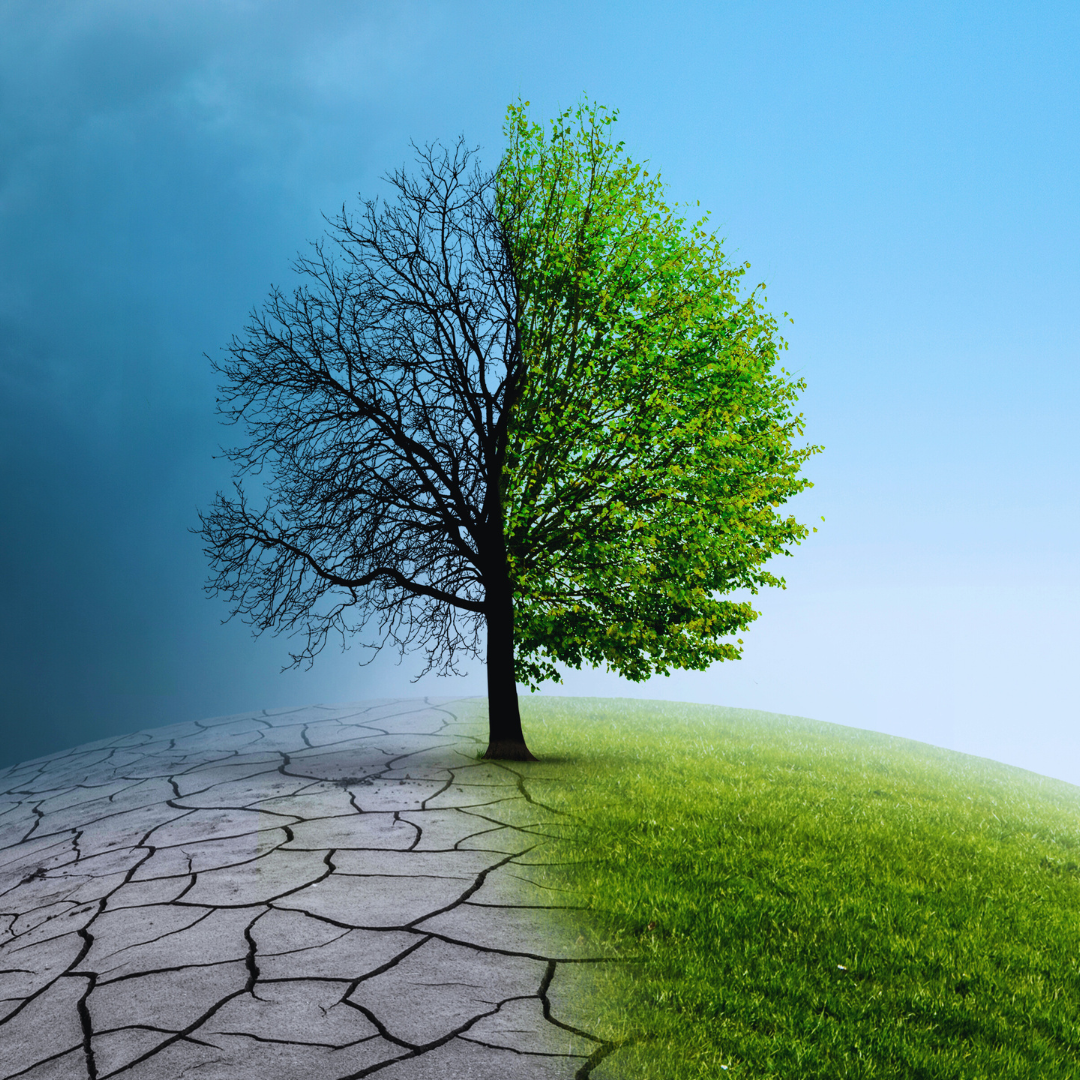
Ecosystems around the globe are facing unprecedented challenges due to climate change. As temperatures rise and weather patterns shift, many species must adapt to survive in their changing environments. Adaptation strategies may include shifts in species behavior, migration patterns, and even changes in reproductive cycles, allowing ecosystems to maintain their functions despite new climatic realities.
The resilience of these ecosystems often hinges on their biodiversity. Areas rich in diverse species typically show more flexibility in adapting to environmental changes. This adaptability can manifest in various ways, from alterations in food web dynamics to the emergence of new ecological interactions.
Understanding how ecosystems respond to climate change is vital for informing conservation efforts and policy decisions. By studying these adaptations, researchers can better predict future changes and develop strategies to support vulnerable habitats and species amid a warming world.
Understanding Climate Change and Its Impact on Ecosystems
Climate change significantly disrupts ecosystems through various mechanisms, largely driven by global warming and greenhouse gas emissions. This section explores the scientific basis of climate change and its tangible effects on biodiversity, wildlife, and natural habitats.
The Science Behind Global Warming and Greenhouse Gases
Climate change primarily results from the accumulation of greenhouse gases (GHGs) in the atmosphere. Carbon dioxide (CO2), methane (CH4), and nitrous oxide (N2O) are major contributors, primarily released through human activities such as fossil fuel combustion, agriculture, and deforestation.
The increased concentration of these gases traps heat, leading to a rise in global temperatures. Studies indicate that Earth’s average surface temperature has risen by approximately 1.2°C since the late 19th century. This warming affects weather patterns, leading to more extreme events like hurricanes, droughts, and floods.
The interaction between climate change and ecosystems is complex, often resulting in unpredictable shifts in species distributions and ecosystem functions.
Effects on Biodiversity and Wildlife
Biodiversity is one of the first casualties of climate change. Many species face shifts in their habitats as temperatures rise and precipitation patterns change. For example, polar bears are increasingly struggling to find sea ice for hunting due to melting ice in the Arctic.
Some species may adapt to these changes or migrate to more suitable environments. However, those unable to do so may face extinction. The International Union for Conservation of Nature (IUCN) estimates that up to 1 million species are at risk of extinction due to climate-related factors.
Furthermore, changes in ecosystem dynamics can lead to altered predator-prey relationships, disrupting food webs. This affects not only wildlife but also human communities relying on these ecosystems for resources.
Land Use and Natural Habitats Alteration
Land use changes, driven by climate change and human activity, significantly impact natural habitats. Urbanization, agricultural expansion, and deforestation fragment ecosystems, creating barriers for species movements and reducing habitat availability.
Altered land use patterns can exacerbate the effects of climate change. Wetlands, forests, and grasslands serve as crucial carbon sinks, but their degradation releases stored carbon, further increasing GHGs in the atmosphere. This cycle creates a feedback loop that intensifies climate-related issues.
Conservation strategies must address land use planning and habitat restoration to mitigate these adverse effects. Effective management can enhance ecosystem resilience and support biodiversity in the face of ongoing climate challenges.
Adaptation Strategies for Ecosystems
Ecosystems employ various strategies to adapt to climate change. These approaches focus on enhancing resilience, protecting biodiversity, and ensuring the sustainability of natural environments.
Developing Drought-Resistant Crops
Agricultural ecosystems are increasingly vulnerable to changing climate conditions. Developing drought-resistant crops is essential for maintaining food security. These crops are engineered or bred to thrive with less water while still producing viable yields.
Key techniques include:
- Genetic Modification: Specific genes associated with drought tolerance can be introduced into crop species.
- Conventional Breeding: Traditional selection methods help identify and propagate varieties that naturally resist water scarcity.
Farmers are encouraged to adopt these crops to sustain their livelihoods during extreme weather.
Conservation of Coastal Wetlands and Water Quality
Coastal wetlands are vital for protecting ecosystems from the impacts of climate change. They serve as buffers against storm surges, improve water quality, and provide important habitats.
Strategies for conservation include:
- Restoration Projects: Actively restoring degraded wetlands can enhance their ability to adapt to rising sea levels.
- Water Quality Management: Reducing pollution and nutrient runoff is essential for maintaining wetland health and function.
These efforts support not only coastal ecosystems but also the diverse species that rely on them.
Protecting Animal Populations from Extreme Weather
Animal populations face significant threats from extreme weather events, which can disrupt their habitats and food sources. Implementing strategies to protect these populations is crucial for ecosystem stability.
Key actions involve:
- Habitat Preservation: Safeguarding natural habitats can provide refuge during climatic disturbances.
- Wildlife Corridors: Establishing corridors allows animals to migrate to suitable habitats, reducing the risk of localized extinction.
Conservation initiatives that focus on these strategies can enhance species resilience in an increasingly volatile climate.
The Role of Biodiversity in Ecosystem Resilience
Biodiversity plays a critical role in enhancing the resilience of ecosystems facing climate change. It enables ecosystems to adapt to shifting environmental conditions, increases their stability, and supports vital interactions among species.
Maintaining Genetic Diversity among Species
Genetic diversity is crucial for the adaptability and survival of species. It allows populations to respond effectively to environmental changes, such as temperature shifts and altered precipitation patterns.
Species with high genetic variation are better equipped to withstand diseases and pests. For example, diverse forests can recover more rapidly from disturbances. When a species is genetically uniform, it is less resilient to climate impacts, increasing the risk of extinction.
Maintaining genetic diversity through conservation efforts can bolster ecosystem resilience. Strategies include protecting natural habitats and promoting gene flow between isolated populations.
Preventing the Spread of Invasive Species
Invasive species pose a significant threat to native biodiversity and ecosystem health. They often outcompete native species for resources, leading to declines in local populations and altering community structure.
Diverse ecosystems are generally more resistant to the establishment of invasive species. High levels of native biodiversity can create competitive pressures that limit the success of invaders.
Effective management strategies include monitoring invasive species and implementing control measures. Prevention also entails restoring damaged habitats to support native species, which in turn enhances ecosystem resilience.
Supporting Predator-Prey Relationships
Predator-prey relationships are essential for maintaining ecological balance within ecosystems. They regulate population sizes and contribute to the overall health of the environment.
Biodiversity ensures that these interactions remain dynamic and functional. The presence of various predators can help control herbivore populations, preventing overgrazing and promoting plant diversity.
When ecosystems lose predator species, the resulting imbalance can lead to detrimental effects, including reduced plant diversity and increased vulnerability to climate impacts. Preserving these relationships is vital for fostering resilience against climate change.
Maintaining robust predator-prey dynamics supports resilient ecosystems, allowing them to adapt more effectively to changing conditions.
Mitigating Impacts and Future Outlook
Climate change significantly affects ecosystems. Effective adaptation measures, along with targeted policies and community actions, can help mitigate these impacts.
Case Studies: Successes in Ecosystem Adaptation
Several ecosystems have demonstrated resilience in the face of climate change. For instance, restoration efforts in the Florida Everglades have helped increase biodiversity and improve water management. By reviving native plant species, this ecosystem also enhances carbon storage capabilities.
In National Parks, the implementation of managed relocation strategies for high-elevation species has been a successful adaptation measure. These species are often at risk due to habitat loss and rising temperatures.
Such initiatives underscore the importance of focused efforts in planning and executing conservation strategies.
Assessing Vulnerability and Planning for Change
Understanding the vulnerability of ecosystems is crucial for effective adaptation strategies. Ecosystems experiencing habitat loss and fragmentation face increased risks. Current assessments include factors such as land use changes, global temperature rise, and their impacts on local water supplies.
Identifying vulnerable species and habitats enables better planning. For example, mapping biodiversity hotspots helps inform conservation priorities. Utilizing predictive models further assists in anticipating shifts associated with climate change, facilitating proactive measures.
Policy and Community Action in Response to Changing Climates
Effective policies are essential to support ecosystem adaptation. Governments can enact regulations to reduce greenhouse gas emissions and protect natural habitats from development. Community engagement initiatives raise awareness and foster local participation in conservation efforts.
Moreover, collaboration between stakeholders enhances resilience. Building partnerships among government agencies, NGOs, and local communities leads to more comprehensive strategies, ensuring sustainable resource management. Examples include community-led wetlands restoration projects that improve water supply and support biodiversity.
Such actions reflect a commitment to addressing the challenges posed by climate change and fostering resilient ecosystems.