
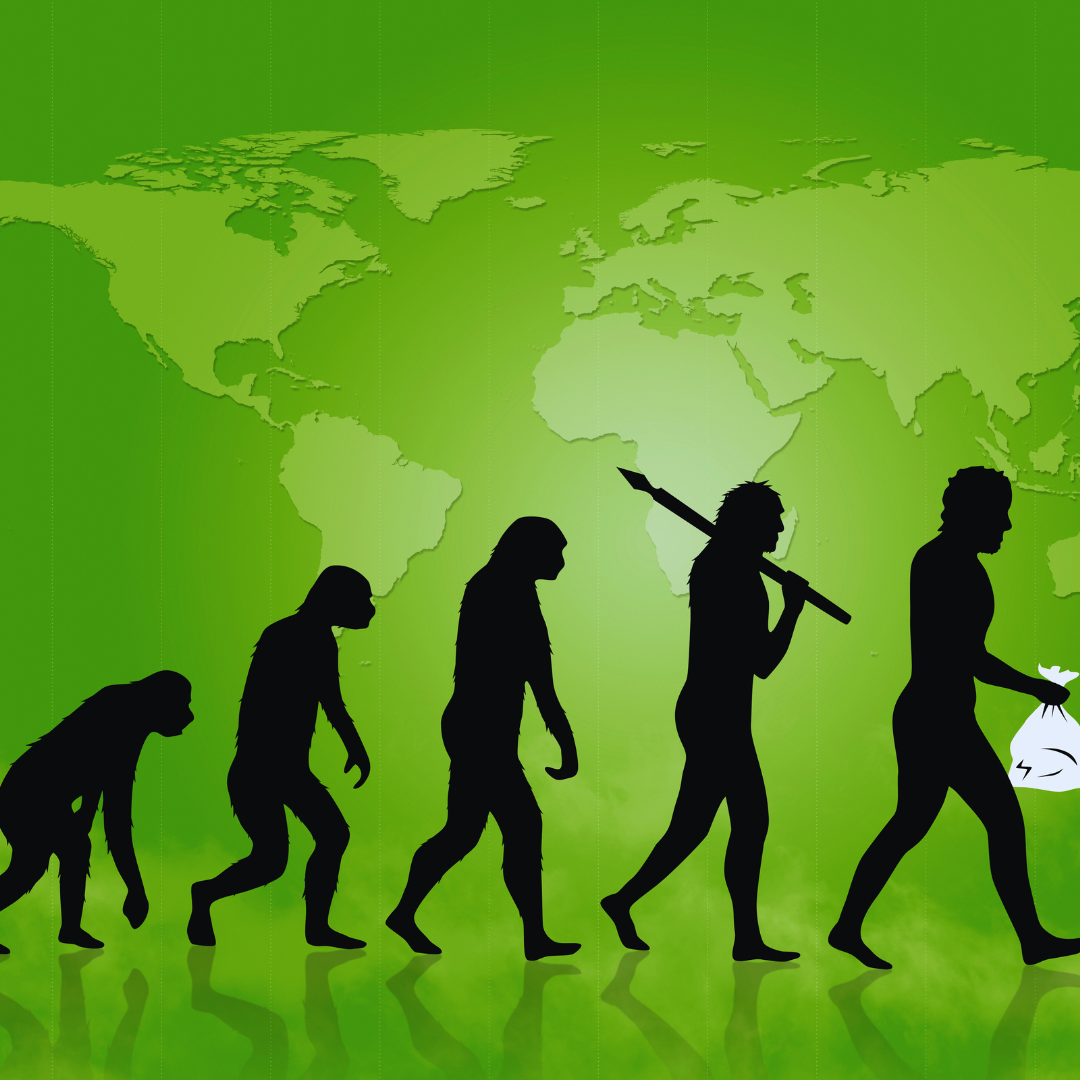
Human biology is intricately intertwined with the natural world, revealing insights into how humans have evolved alongside other species. By understanding the principles of evolution and natural selection, individuals can appreciate the biological connections that shape human existence and survival. These connections are evident in various aspects of biology, including genetic inheritance, where traits are passed down through generations, influencing physical and behavioral characteristics.
The study of human biology not only highlights these connections but also emphasizes the impact of the environment on human development. From the adaptations that have emerged in response to climate and ecological changes to the shared genetic heritage with other organisms, each aspect showcases a continuous dialogue between humans and their surroundings. This relationship underscores the importance of recognizing our role within the larger ecological system.
As the natural world faces significant challenges, such as climate change and habitat loss, understanding human biology’s role can foster a deeper awareness of our responsibilities. Engaging with the biological connections between humans and nature can inspire a more harmonious coexistence, urging a collective effort to preserve the delicate balance of life on Earth.
The Fabric of Life: Biological and Genetic Foundations
Human biology is intricately linked to the natural world through fundamental genetic principles and the evolutionary processes that shape adaptations over time. Understanding how these components interact reveals the connections between humanity and the broader ecosystem.
Understanding Genetics and Evolution
Genes serve as the building blocks of life, carrying the instructions for development, behavior, and physiology. Each human possesses about 20,000 to 25,000 genes, which are segments of DNA that dictate everything from eye color to susceptibility to diseases. Variations in these genes contribute to diversity within populations.
Evolution, driven by mechanisms such as natural selection, plays a crucial role in shaping these genetic variations. The concept of “survival of the fittest” suggests that beneficial traits become more common in a population over generations. This process leads not only to physical adaptations but also to behavioral and physiological changes that enhance survival in specific environments.
Anatomy of Adaptation
Adaptations occur at multiple levels within human biology, reflecting both physical and genetic changes. Examples include skin pigmentation responding to UV radiation and lactose tolerance in populations consuming dairy. These adaptations illustrate how humans have evolved in response to environmental conditions.
Furthermore, adaptations can be immediate or gradual. Some traits may emerge within a few generations, while others develop over thousands of years. Genetic engineering and biotechnology now allow for the alteration of genetic material, potentially accelerating adaptation processes.
This intricate interplay between genetics and environmental factors underscores the complex relationship between humans and the natural world.
Interactions with the Environment
Human biology is intricately linked to environmental factors, influencing health, food systems, and biodiversity. The following aspects reveal the connections between climate change, agriculture, and the need for adaptation in the context of human survival.
Impact of Climate Change on Biology
Climate change significantly alters ecosystems, affecting species distribution and reproductive patterns. As temperatures rise and precipitation patterns shift, many organisms face habitat loss and changing food resources.
This leads to increased extinction rates. For instance, coral reefs, vital for marine biodiversity, are threatened by ocean warming and acidification. These changes impact not only marine life but also human communities reliant on fishing and tourism. Adapting to these shifts is crucial for maintaining health and sustainability.
Agriculture and Human Adaptation
Agricultural practices must evolve to meet the challenges posed by a changing climate. Crop yields are closely tied to climatic conditions; fluctuations can reduce food production.
Farmers are increasingly using technology, such as drought-resistant crops and precision agriculture, to adapt to these changes. Effective irrigation methods and crop rotation can also enhance resilience. This adaptation is essential to secure food sources as human populations continue to grow.
Biodiversity and Human Survival
Biodiversity is central to the survival of human populations. A rich variety of species ensures ecosystem resilience and stability. Healthy ecosystems provide essential services, such as pollination and disease regulation.
Loss of biodiversity threatens these services, impacting food security and health. As species go extinct, ecosystems become less resilient, causing further harm to human well-being. Protecting environmental diversity is vital for sustaining life and ensuring that future generations can thrive.
Society and Culture: Extensions of Biology
Human biology and the natural world are intricately linked through various aspects of society and culture. Language, social structures, and economic systems all illustrate how biological imperatives shape human experiences and interactions.
Language and Communication
Language serves as a crucial tool for human connection. It is not merely a means of communication but also an extension of biological needs.
- Evolutionary Roots: The ability to develop sophisticated language relates to the evolution of the human brain.
- Social Bonds: Language facilitates the formation of social bonds. It allows for the sharing of knowledge, emotional expression, and community building.
Different cultures adapt their communication methods based on their environments and social structures. Non-verbal cues and contextual understanding are vital components that complement spoken language.
Cultural Practices and Social Structure
Cultural practices stem from biological imperatives and environmental interactions. These practices shape social structures, influencing behavior and community dynamics.
- Rituals and Beliefs: Many rituals are based on biological cycles, such as seasons, birth, or harvest. These practices solidify community ties and shared identities.
- Hierarchy Formation: Biological traits, such as physical strength or reproductive capability, can influence social hierarchies. This impacts roles within communities and establishes expectations.
Variations in practices illustrate how societies adapt biologically and culturally to their specific environments, reflecting human ingenuity in facing challenges.
Economic Systems and Human Behavior
Economic systems are fundamentally connected to human biology. Resource allocation and survival instincts drive economic behaviors and social interactions.
- Resource Allocation: Access to resources often determines social status and economic power. This allocation reflects biological needs for sustenance and security.
- Behavioral Economics: Human behavior in economic contexts often mirrors biological instincts, such as competition for resources or cooperation for mutual benefit.
These economic interactions demonstrate the balance between individual needs and communal survival, showcasing how biology influences economic structures and human societal evolution.
Advancing Through Tools and Education
Human progress has been significantly shaped by the development of tools and education. These factors have allowed for enhanced interactions with the environment and have fostered cognitive development.
The Role of Tools in Human Progress
Tools have played a crucial role in human advancement. Early humans utilized primitive instruments, shaped from stones and bones, to hunt, gather, and protect themselves.
As human societies progressed, these basic instruments evolved into complex mechanical systems that powered industrial growth. Modern heavy machinery relies on specialized components to control power and movement. For example, heavy-duty industrial engines use Cummins Solenoids to manage fuel flow and shutdown mechanisms reliably.
These small electrical parts are vital for keeping large diesel engines running safely in tough working environments. This transition from basic hand tools to automated engine systems shows how far human engineering has come.
This use of tools corresponds with increases in brain size and cognitive abilities. The fossil record indicates that enhanced tool-making capabilities are linked to evolving social structures and survival strategies.
The interaction between tool creation and usage has led to innovations that improved living standards. As tools became more sophisticated, they allowed for more complex tasks, fostering communal cooperation and knowledge transfer.
Education as an Evolutionary Phenomenon
Education serves as a fundamental aspect of human evolution. It equips individuals with the necessary skills to navigate their surroundings and ensures the continuity of cultural knowledge.
Anthropological studies show that early education systems emerged from communal living, shaping social bonds and shared responsibilities. Educated individuals are better equipped to make informed decisions, leading to improved community health and resource management.
Furthermore, the evolution of educational methods reflects changing environmental demands and technological advancements. As societies developed, so did the systems of learning, moving towards structured frameworks that promote critical thinking and creativity.